Looking back at the legacy of C. Wright Mills, 60 years after his death
回顧 C. Wright Mills 逝世 60 年後的遺產
His view on power and democracy still captures the imagination.
他對權力與民主的觀點仍激發著人們的想像力。


Charles Wright Mills, an influential American sociologist, emerged as a central intellectual figure for the left during the turbulent decades of the 1960s and 1970s. Though six decades have passed since his death, Mills’ insights remain strikingly relevant. His concept of the “sociological imagination” — the ability to understand the intricate connection between personal experiences and larger social structures — invites us to see beyond the narrow confines of individualism and grasp the broader forces shaping our lives.
查爾斯·賴特·米爾斯(Charles Wright Mills)是一位具影響力的美國社會學家,在 1960 與 1970 年代動盪的年代中,成為左派的重要知識分子代表。儘管他逝世已逾六十年,米爾斯的見解依然令人驚訝地具有當代意義。他提出的「社會學想像力」概念——理解個人經驗與更大社會結構之間錯綜複雜聯繫的能力——邀請我們超越狹隘的個人主義視角,洞察塑造我們生活的更廣泛力量。
Moreover, Mills’ penetrating analysis of power dynamics, particularly his critique of the “power elite,” resonates in today’s political and economic landscape. He argued that a small group of military, corporate, and political leaders held disproportionate sway over American democracy, a phenomenon that has only intensified in our era of globalized corporate dominance and political polarization. In a world where democratic values seem increasingly fragile, Mills’ warnings about the erosion of participatory democracy ring truer than ever, urging us to question whether we, too, have become passive spectators in systems we scarcely understand.
此外,米爾斯對權力動態的深刻分析,特別是他對「權力菁英」的批判,在當今的政治與經濟格局中依然引起共鳴。他主張,一小群軍事、企業與政治領袖對美國民主擁有不成比例的影響力,而這種現象在全球化企業主導與政治極化的時代只會更加加劇。在一個民主價值日益脆弱的世界裡,米爾斯對參與式民主侵蝕的警告比以往任何時候都更為真切,促使我們反思自己是否也已成為那些我們幾乎無法理解的體制中的被動旁觀者。
As a sociologist, Charles Wright Mills was a fierce critic of conservative ideologies, yet his critique extended beyond partisan lines. His sharp analysis aimed to expose the dynamics of power, urging people to scrutinize not just conservative but all political establishments. Mills sought to awaken public consciousness about the hidden structures of authority, whether in politics, business, or the military. His work was less about supporting any particular political faction and more about revealing the mechanisms that concentrated power in the hands of a few, leaving the masses disempowered.
作為一位社會學家,查爾斯·賴特·米爾斯是保守主義意識形態的激烈批評者,但他的批判超越了黨派界限。他銳利的分析旨在揭露權力的運作動態,敦促人們不僅審視保守派,也要檢視所有政治體制。米爾斯試圖喚醒公眾對隱藏權威結構的意識,無論是在政治、商業還是軍事領域。他的工作並非支持任何特定政治派別,而是揭示將權力集中於少數人手中的機制,使大眾失去權力。
In 2022, Mills’ insights continue to resonate with readers grappling with questions of power and democracy. His exploration of the American power structure, marked by the close-knit relationship between political, military, and economic elites, remains strikingly relevant. Mills was particularly critical of the deterioration of politics, warning of a drift away from participatory democracy towards a system controlled by elites. His critique of American militarism and Cold War policies similarly holds weight in a world still shaped by the long shadow of those geopolitical strategies.
到了 2022 年,米爾斯的見解仍與那些在權力與民主問題上掙扎的讀者產生共鳴。他對美國權力結構的探討,特別是政治、軍事與經濟菁英之間緊密關係的描繪,依然具有驚人的相關性。米爾斯特別批評政治的衰敗,警告民主參與正逐漸偏離,轉向由菁英控制的體制。他對美國軍國主義及冷戰政策的批判,在這個仍受那些地緣政治策略長遠影響的世界中,同樣具有重要意義。
Mills’ call for reviving participatory democracy, where ordinary citizens reclaim their agency in shaping their societies, is as urgent now as it was in his time. His work remains a potent reminder that democracy must be fought for, not as a static ideal but as a living, evolving practice continually threatened by the concentration of power.
米爾斯呼籲復興參與式民主,讓普通公民重新掌握塑造社會的能動權,這一呼聲在當今依然迫切,與他當年一樣。他的著作持續提醒我們,民主必須被奮力爭取,不應視為一個靜態的理想,而是一種活生生、持續演變的實踐,時刻面臨權力集中所帶來的威脅。
Mills is best known for his groundbreaking analysis of the American “power elite” and his deep exploration of the “new middle class.” Yet perhaps his most enduring legacy lies in his articulation of the sociological imagination, a concept that fundamentally reshaped how we understand the relationship between personal experiences and larger historical forces.
米爾斯最為人知的是他對美國「權力菁英」的開創性分析,以及對「新中產階級」的深入探討。然而,他最持久的遺產或許在於他對社會學想像力的闡述,這一概念根本性地改變了我們理解個人經驗與更大歷史力量之間關係的方式。
Mills’ insight was simple but profound: individual struggles — such as unemployment — are not just personal problems but also reflections of broader societal issues. If one person is unemployed, it might be a personal misfortune; but if thousands or millions are, it signals a deeper issue within society.
米爾斯的洞見簡單卻深刻:個人的掙扎——例如失業——不僅是個人問題,更是更廣泛社會問題的反映。如果只有一個人失業,可能是個人不幸;但如果成千上萬人失業,則顯示社會內部存在更深層的問題。
Mills famously captured this interplay when he wrote, “Neither the life of an individual nor the history of a society can be understood without understanding both.” This interwoven connection between individual and collective experience is central to the sociological imagination.
米爾斯著名地捕捉了這種相互作用,他寫道:「既無法理解個人的生活,也無法理解社會的歷史,除非同時理解兩者。」這種個人與集體經驗交織的關係,是社會學想像力的核心。
It challenges us to think beyond our immediate circumstances and see how they are shaped by historical and structural forces. For example, understanding unemployment requires us not only to sympathize with the individual but also to grasp the economic conditions, political policies, and historical contexts that contribute to mass unemployment.
它挑戰我們超越眼前的處境,去看清這些處境如何被歷史與結構性力量所塑造。例如,理解失業問題不僅需要同情個人,還必須掌握促成大規模失業的經濟條件、政治政策與歷史背景。
When The Sociological Imagination was published in 1959, this idea was remarkably innovative, breaking away from the tendency to view individual problems in isolation. Mills’ work opened up new ways of thinking about how personal biographies are intimately tied to public issues, transforming sociology from an abstract discipline into a tool for understanding everyday life.
當《社會學的想像力》於 1959 年出版時,這一理念極具創新性,打破了將個人問題孤立看待的傾向。米爾斯的著作開啟了全新思考方式,揭示個人傳記如何與公共議題緊密相連,將社會學從抽象學科轉化為理解日常生活的工具。
Today, the concept has become so essential that it is a staple in introductions to sociology, serving as a powerful reminder of why this field is so relevant to our daily lives. Mills empowered people to see that their personal struggles are not just their own but part of a much larger societal story — a radical and still vital realization.
如今,這個概念已變得如此重要,以至於成為社會學入門的基本內容,強而有力地提醒我們為何這個領域與我們的日常生活息息相關。米爾斯讓人們明白,他們的個人掙扎不僅僅是個人的問題,而是更大社會故事的一部分——這是一個激進且至今仍具生命力的覺悟。
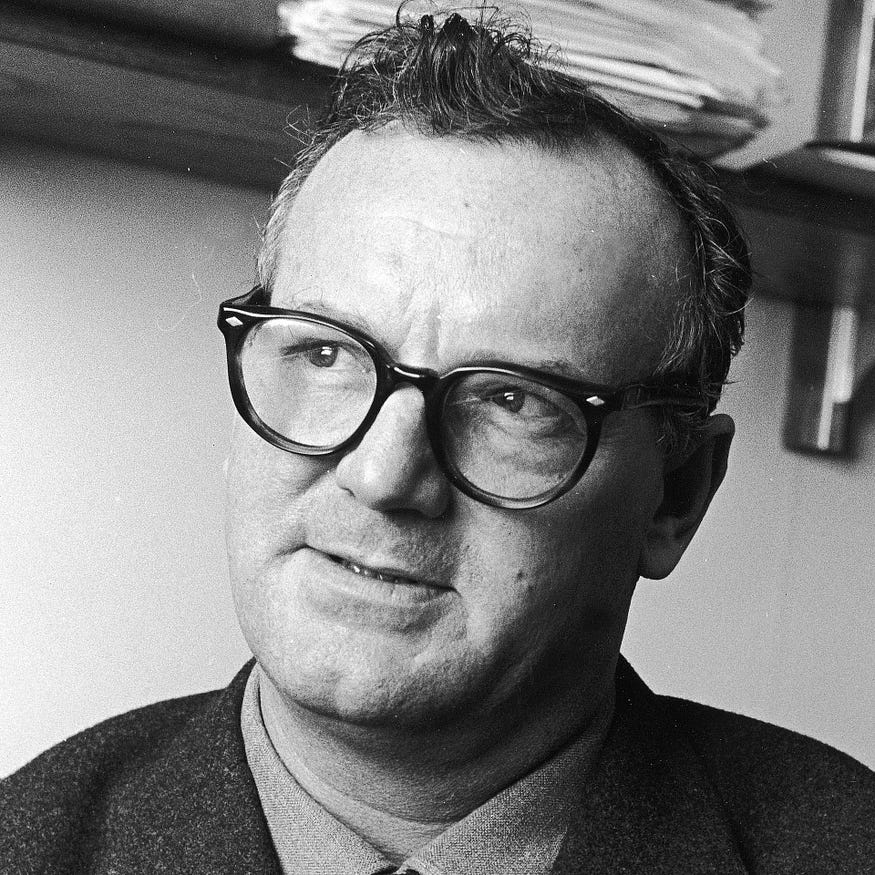
1960 年的 C. Wright Mills(照片由 Hulton Archive/Getty Images 提供)
The sociological imagination offers a powerful lens through which we can comprehend the deeper forces shaping society. For example, when we examine an individual’s experience with burnout, it becomes clear that this is not merely a personal issue — it reflects broader systemic problems within the labor market.
社會學想像力提供了一個強大的視角,讓我們能理解塑造社會的深層力量。例如,當我們檢視個人經歷的倦怠時,很明顯這不僅是個人問題——它反映了勞動市場中更廣泛的系統性問題。
The increasing prevalence of burnouts in Western societies signals a fundamental issue in how we approach work, productivity, and fulfillment. For Charles Wright Mills, this is precisely where sociology can help identify the “schizophrenic” contradictions embedded within our communities — where personal suffering reflects societal dysfunction.
西方社會中倦怠現象日益普遍,顯示出我們對工作、生產力與成就感的根本性問題。對查爾斯·賴特·米爾斯而言,這正是社會學能幫助揭示社區中「精神分裂式」矛盾的地方——個人痛苦反映出社會功能失調。
Mills believed that the root of these problems lay in the concentration of power and the lack of meaningful participation in decision-making processes. His proposed solution was to democratize all aspects of society, from industry to politics to the workplace.
米爾斯認為這些問題的根源在於權力的集中以及缺乏有意義的決策參與。他提出的解決方案是將社會的各個層面民主化,從產業到政治再到職場。
He envisioned a radical and comprehensive form of democracy where individuals had a say in shaping the structures that governed their lives. Mills saw this not merely as an ideal, but as a necessity to address the growing alienation, disillusionment, and burnout facing modern individuals.
他設想了一種激進且全面的民主形式,讓個人能夠參與塑造支配他們生活的結構。米爾斯認為這不僅僅是一種理想,而是解決現代人日益增長的疏離感、幻滅感和倦怠感的必要條件。
Although Mills’ later work showed a growing interest in Marxist ideas, particularly evident in his book The Marxists, his vision for a democratic society remained deeply influenced by the American traditions of pragmatism and liberalism.
儘管米爾斯後期的著作顯示出對馬克思主義思想日益濃厚的興趣,特別是在他的著作《The Marxists》中表現得尤為明顯,但他對民主社會的願景仍深受美國實用主義和自由主義傳統的影響。
His radical critique of power structures and his call for increased democratic participation were shaped by a distinctly American approach to politics and social change. Mills’ ideas were revolutionary, but they drew from the democratic ideals embedded in American political culture, advocating for a society where power was not concentrated in the hands of a few, but distributed among the many.
他對權力結構的激進批判以及呼籲增加民主參與,皆源自一種鮮明的美國政治與社會變革方法。米爾斯的思想具有革命性,但同時汲取了美國政治文化中根深蒂固的民主理想,主張建立一個權力不集中於少數人手中,而是分散於多數人之間的社會。
In today’s context, where burnout and disenfranchisement are widespread, Mills’ vision remains strikingly relevant, pushing us to rethink not just the structure of work but the democratic processes that underpin our social, political, and economic systems.
在當今普遍存在倦怠與被剝奪感的背景下,米爾斯的願景依然格外切合時宜,促使我們重新思考不僅是工作的結構,更是支撐我們社會、政治與經濟體系的民主程序。
Rebel and utopian 反叛者與烏托邦主義者
Mills, born in Waco, Texas, on August 28, 1916, came from a middle-class Anglo-Irish Catholic family. His father’s career as an insurance salesman led to frequent relocations, contributing to Mills’ somewhat isolated childhood.
米爾斯於 1916 年 8 月 28 日出生在德州韋科,來自一個中產階級的盎格魯-愛爾蘭天主教家庭。他父親從事保險業務,經常搬家,這也使米爾斯的童年顯得有些孤立。
Despite his Christian upbringing, Mills rejected religion early on, becoming an atheist. His intellectual curiosity flourished in college, where he developed a deep interest in thinkers such as George Herbert Mead, John Dewey, Charles Sanders Peirce, William James, and Thorstein Veblen.
儘管接受基督教教養,米爾斯很早便拒絕宗教,成為無神論者。他在大學期間智力好奇心大為激發,對喬治·赫伯特·米德、約翰·杜威、查爾斯·桑德斯·皮爾士、威廉·詹姆斯和索爾斯坦·韋布倫等思想家產生了濃厚興趣。
Attending the University of Texas, Mills cultivated passions for books, music, and theatre, and quickly gained a reputation on campus as a flamboyant rebel. He began publishing early, drawing attention with his provocative sociological ideas.
在德州大學就讀期間,米爾斯培養了對書籍、音樂和戲劇的熱情,並迅速在校園內建立了浮誇叛逆者的名聲。他早早開始發表作品,以其挑釁性的社會學觀點引起關注。
Initially studying philosophy, he gradually shifted his focus to sociology. The role of Hans Gerth, a German political refugee and expert in Max Weber’s work, proved pivotal. Under Gerth’s guidance, Mills mastered Weber’s theories on power, authority, and bureaucracy, which would shape much of his later work.
最初主修哲學,他逐漸將焦點轉向社會學。漢斯·格斯(Hans Gerth)——一位德國政治難民及馬克斯·韋伯(Max Weber)研究專家——的角色至關重要。在格斯的指導下,米爾斯精通了韋伯關於權力、權威與官僚體制的理論,這些理論深刻影響了他後期的許多著作。
In 1942, Mills became a sociology professor at the University of Maryland, a turning point in his political evolution. His opposition to the United States’ involvement in World War II and his critical stance on American unions — viewing them as too bureaucratic — led him to seek a more radical left-wing framework. He longed for a movement that would truly empower ordinary workers, though he struggled to find one that aligned with his vision.
1942 年,米爾斯成為馬里蘭大學的社會學教授,這是他政治演變的轉捩點。他反對美國參與第二次世界大戰,並對美國工會持批判態度——認為工會過於官僚化——這使他尋求更激進的左翼理論框架。他渴望一個真正能賦權普通工人的運動,儘管他難以找到與自己理想相符的組織。
Mills’ intellectual rebellion against mainstream sociology, as noted by British historian E.P. Thompson, was driven by what he saw as the field’s lack of engagement with real-world issues. He criticized the discipline for being too passive, too detached from the moral and political struggles of the time. Mills stood out for his utopian thinking and his insistence on the ethical responsibilities of intellectuals.
米爾斯對主流社會學的知識反叛,正如英國歷史學家 E.P.湯普森所指出的,是源於他認為該領域缺乏對現實世界問題的關注。他批評這門學科過於被動,與當時的道德和政治鬥爭脫節。米爾斯以其烏托邦式的思考和對知識分子倫理責任的堅持而與眾不同。
Yet he was difficult to categorize politically. His work drew on a range of influences — Marxism, Weberian theory, Freudian psychology, and even Machiavellian realism. He was a left-wing critic of capitalism, but not a strict Marxist; he had a moral vision of society, but resisted dogmatic thinking. Mills was a unique figure who, despite his coherent and sharp dissection of society, never inspired a formal school of thought after his death.
然而,他在政治上難以被歸類。他的作品融合了多種影響——馬克思主義、韋伯理論、佛洛伊德心理學,甚至馬基維利現實主義。他是資本主義的左翼批評者,但並非嚴格的馬克思主義者;他對社會有道德願景,但抗拒教條式思維。米爾斯是一位獨特的人物,儘管他對社會有著連貫且犀利的剖析,卻從未在他去世後激發出正式的學派。
Unlike Karl Marx or Max Weber, Mills was not a “system thinker.” His work defied easy classification and, as a result, never gave rise to a specific “Millsism.” He has been variously described as a Marxist, a left-wing pessimist, a Freudian, a Weberian, and even a radical humanist. His intellectual craftsmanship, his focus on power dynamics, and his unwavering commitment to democratic ideals, however, ensured his enduring influence, even if no rigid framework followed in his wake.
與卡爾·馬克思或馬克斯·韋伯不同,米爾斯並非「系統思考者」。他的著作難以簡單歸類,因此從未催生出特定的「米爾斯主義」。他曾被形容為馬克思主義者、左翼悲觀主義者、佛洛伊德主義者、韋伯主義者,甚至是激進人文主義者。然而,他的智識工藝、對權力動態的關注,以及對民主理想的堅定承諾,確保了他持久的影響力,即使他未留下嚴格的理論框架。
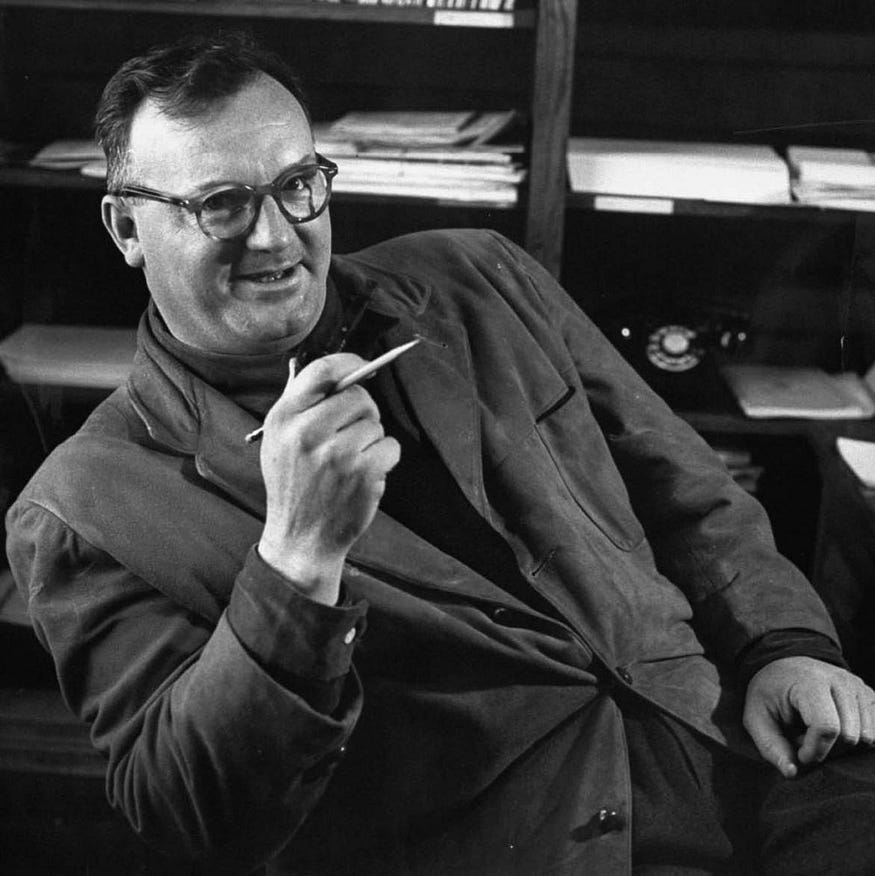
C. Wright Mills(取自 pixgood.com)。
C. Wright Mills was a polarizing figure among American intellectuals. Critics often dismissed him as vain, with some accusing him of being a superficial thinker, a Marxist sympathizer who, in their view, embraced a rigid ideology that demanded the sacrifice of the living for theoretical principles. They argued that Mills lacked the depth necessary for true sociological analysis, charging him with arrogance and intellectual shallowness.
C. Wright Mills 是美國知識分子中一個具爭議的人物。批評者常將他視為自負,有些人指控他是膚淺的思想家,是一位馬克思主義同情者,在他們看來,他擁抱一套僵化的意識形態,要求為理論原則犧牲現實生活。他們認為米爾斯缺乏真正社會學分析所需的深度,指責他傲慢且智識淺薄。
Yet despite these critiques, Mills carved out a formidable reputation in academia through his bold and provocative works, particularly White Collar and The Power Elite. These books tackled urgent and contentious issues — social inequality, the concentration of power, and the shrinking middle class — topics that resonate just as deeply in contemporary discussions as they did in Mills’ time. By directly confronting the dynamics of power and control in American society, Mills solidified his place as an intellectual rebel, unafraid to challenge conventional wisdom.
儘管有這些批評,米爾斯仍憑藉其大膽且具挑釁性的著作,特別是《白領階級》和《權力菁英》,在學術界建立了堅實的聲譽。這些書探討了緊迫且具爭議性的議題——社會不平等、權力集中以及中產階級的萎縮——這些主題在當代討論中與米爾斯時代一樣引人共鳴。透過直接面對美國社會中權力與控制的動態,米爾斯鞏固了他作為一位不畏挑戰傳統智慧的知識叛逆者的地位。
Mills’ personal life mirrored the intensity of his professional one. His three marriages and three children were part of a tumultuous existence marked by frequent clashes with colleagues and fellow thinkers. Known for his fiery personality, Mills never shied away from conflict, and this combative spirit extended beyond his work.
米爾斯的個人生活反映了他職業生涯的強烈張力。他的三段婚姻和三個孩子構成了他動盪不安的生活,期間經常與同事及思想家發生衝突。以火爆的個性著稱,米爾斯從不迴避衝突,這種好鬥的精神也延伸到他的工作之外。
He also faced severe health issues, brought on by a relentless work ethic, poor eating habits, and heavy smoking. These factors took a toll on his body, and ultimately, his hard-driving approach to life led to his untimely death from a heart attack in March 1962, at the age of 45.
他還面臨嚴重的健康問題,這些問題源自他不懈的工作態度、不良的飲食習慣以及大量吸菸。這些因素對他的身體造成了沉重負擔,最終,他那種拼命三郎的生活方式導致他於 1962 年 3 月因心臟病發作英年早逝,享年 45 歲。
Despite his critics, Mills left behind a legacy that has endured, particularly through his analysis of power and inequality, which remain vital concerns today. His contributions continue to provoke thought and challenge the status quo, securing his place as one of the most influential sociologists of his time.
儘管受到批評,米爾斯留下的遺產依然持久,特別是他對權力與不平等的分析,至今仍是重要議題。他的貢獻持續激發思考並挑戰現狀,確立了他作為當代最具影響力社會學家之一的地位。
Economy, war, and power 經濟、戰爭與權力
There are important and enduring lessons to be drawn from the work of C. Wright Mills, whose ideas remain strikingly relevant in today’s world. Mills was deeply critical of the American economic and political model, and his admiration for Castro’s Cuba made him a source of inspiration for left-wing intellectuals, particularly in Western Europe.
從 C. Wright Mills 的著作中,我們可以汲取重要且持久的教訓,他的思想在當今世界依然具有驚人的相關性。米爾斯對美國的經濟與政治模式持深刻批判態度,他對卡斯楚古巴的欽佩,使他成為左翼知識分子,尤其是在西歐的靈感來源。
Though he sought public attention during his lifetime, his ideas gained global recognition only after his death. In The Power Elite (1956), Mills systematically and sharply analyzed the American ruling class, offering a penetrating critique that has left a lasting impact on sociological thought.
儘管他生前曾尋求公眾關注,但他的思想直到逝世後才獲得全球認可。在《權力菁英》(1956)一書中,米爾斯系統且尖銳地分析了美國的統治階級,提出了深刻的批判,對社會學思想產生了持久的影響。
Mills argued that power in society was concentrated in three closely interconnected domains: politics, economics, and the military. These three forces, he believed, controlled the daily lives of ordinary people and steadily eroded democratic ideals. He was particularly concerned about the rise of what he called “technological reasoning” and the growth of bureaucratization in the wake of World War II. To Mills, this increasing entanglement between big business and the military led to horrific wars and destructive military interventions, actions that served the interests of a narrow elite rather than the broader society.
米爾斯主張,社會中的權力集中在三個緊密相連的領域:政治、經濟和軍事。他認為這三股力量控制著普通人的日常生活,並逐漸侵蝕民主理想。他特別關注他所謂的「技術理性」的興起,以及二戰後官僚體制的擴張。對米爾斯來說,企業巨頭與軍方日益糾纏不清,導致了可怕的戰爭和破壞性的軍事干預,這些行動服務於狹隘精英的利益,而非更廣泛的社會。
Writing during the Cold War, Mills saw how big business and defense industries merged their interests, permeating not only the highest levels of government but also infiltrating every layer of society.
在冷戰期間寫作的米爾斯,看到大企業與國防工業如何合併利益,不僅滲透政府最高層,還滲入社會的每一層面。
This influence extended to institutions like the church, education, and even family life, which he viewed as instrumentalized by those in power to maintain their dominance. As a result, he argued that there was no true democracy in the United States, as the political and social systems were subordinated to the needs of “the economic” and “the military.”
這種影響力擴及教會、教育,甚至家庭生活等機構,他認為這些都被掌權者工具化,以維持其統治地位。因此,他主張美國並不存在真正的民主,因為政治和社會體系都服從於「經濟」和「軍事」的需求。
Mills’ critique remains relevant today, particularly in major global powers such as the U.S., China, and Russia, where the close connections between economic interests, political power, and military influence continue to shape national and international policies.
米爾斯的批判在今日依然具有重要意義,特別是在美國、中國和俄羅斯等主要全球強權中,經濟利益、政治權力與軍事影響力之間的緊密聯繫持續塑造著國家與國際政策。
His ideas were especially influential for the New Left movement of the 1960s and 1970s, which embraced his warnings about the concentration of power and the threats to democracy posed by corporate and military elites. In many ways, Mills anticipated the political and social debates of the present, reminding us of the enduring struggle to reclaim democracy from the forces that seek to control it.
他的思想對 1960 年代和 1970 年代的新左派運動影響深遠,該運動接受了他對權力集中以及企業與軍事菁英對民主構成威脅的警告。在許多方面,米爾斯預見了當代的政治與社會辯論,提醒我們持續奮鬥以從試圖控制民主的力量手中奪回民主。

The term “New Left” was coined by C. Wright Mills in his famous Letter to the New Left, published in 1960 in the inaugural issue of the New Left Review. Mills used this phrase to describe a new generation of individuals, groups, political movements, and parties emerging in Western and Northern Europe that embraced socialist, anarchist, and leftist ideas with revolutionary demands.
「新左派」一詞由 C. Wright Mills 在 1960 年於《New Left Review》創刊號中發表的著名〈致新左派的信〉中提出。米爾斯用此詞來描述一代新興的個人、團體、政治運動與政黨,這些力量在西歐和北歐興起,擁抱社會主義、無政府主義及左翼思想,並提出革命性的訴求。
These movements, particularly active in the second half of the 1960s, were shaped by Mills’ ideas and inspired a generation of intellectuals who continue to influence left-wing discourse today. However, Mills was more than just a political agitator against power. His vision extended beyond traditional leftist ideology, as he explored the profound role of human imagination in understanding society.
這些運動,特別是在 1960 年代後半期非常活躍,深受米爾斯思想的影響,並啟發了一代知識分子,他們至今仍持續影響左翼話語。然而,米爾斯不僅僅是一位反抗權力的政治煽動者。他的視野超越了傳統的左翼意識形態,探討了人類想像力在理解社會中的深遠角色。
In his seminal work The Sociological Imagination (1959), Mills emphasized the human capacity for imagination — not only as a tool for intellectual inquiry but as a moral force that allows us to empathize with others. This imaginative power enables us to grasp the connections between our personal experiences and the larger social structures that shape them.
在他具有劃時代意義的著作《社會學想像力》(1959)中,米爾斯強調了人類想像力的能力——不僅作為智力探究的工具,更是一種道德力量,使我們能夠同理他人。這種想像力使我們能夠理解個人經驗與塑造這些經驗的更大社會結構之間的聯繫。
For Mills, empathy and imagination were fundamental in cultivating solidarity, particularly with those who are different from us. These qualities are essential for understanding injustice because they allow us to transcend our own limited experiences and see the world through the eyes of others. By engaging our imagination, we can better comprehend the social, cultural, and institutional dynamics that govern society.
對米爾斯而言,同理心與想像力是培養團結的基礎,尤其是與那些與我們不同的人。這些特質對理解不公正至關重要,因為它們讓我們超越自身有限的經驗,從他人的視角看世界。透過啟動想像力,我們能更深入理解支配社會的社會、文化與制度動態。
Mills’ goal was to unmask the underlying social structures that define our world. He believed that human behavior offers a critical framework for understanding the broader aspects of society. The power of imagination, he argued, helps us bridge the gap between individual experience and the larger social context, allowing us to see the interconnectedness of personal troubles and public issues. This capacity to “commute” between what makes us human and the overarching structures of society is one of the most important functions of imagination.
米爾斯的目標是揭露定義我們世界的潛在社會結構。他認為,人類行為提供了一個關鍵框架,用以理解社會的更廣泛層面。他主張,想像力的力量幫助我們彌合個人經驗與更大社會脈絡之間的鴻溝,使我們能夠看見個人困境與公共議題的相互關聯。這種在「使我們成為人」的因素與社會整體結構之間「穿梭」的能力,是想像力最重要的功能之一。
Moreover, Mills recognized the value of interdisciplinary insights. He believed that drawing from fields beyond sociology — such as history, philosophy, and psychology — can provide a more nuanced understanding of the bigger picture.
此外,米爾斯也認識到跨學科見解的價值。他相信,從社會學以外的領域——如歷史、哲學和心理學——汲取知識,能提供對整體情況更細膩的理解。
By weaving together knowledge from multiple disciplines, Mills argued, we gain a more comprehensive view of the social forces that shape our lives, making the sociological imagination a powerful tool for both intellectual inquiry and social change.
米爾斯主張,透過將多個學科的知識編織在一起,我們能獲得對塑造我們生活的社會力量更全面的視野,使社會學想像力成為一個既能促進智識探究又能推動社會變革的強大工具。
The intellectual as a craftsman
知識分子如同工匠
For C. Wright Mills, the central challenge of sociology was to connect the individual’s personal experience with broader social structures and historical change. His work, especially The Power Elite, focused on deconstructing the mechanisms of power that shaped society.
對 C. Wright Mills 來說,社會學的核心挑戰是將個人的個人經驗與更廣泛的社會結構及歷史變遷連結起來。他的著作,特別是《權力菁英》,專注於解構塑造社會的權力機制。
Unlike many of his contemporaries, Mills approached sociology through the lens of both history and current events, believing that it was the intellectual’s duty to wake society from its slumber. To Mills, this was not just an intellectual privilege, but a profound moral obligation. Intellectuals, he argued, had the unique responsibility to preserve and protect democracy by confronting power structures and offering a truthful analysis of societal forces.
與許多同時代學者不同,Mills 透過歷史與當前事件的視角來看待社會學,認為知識分子有責任喚醒沉睡中的社會。對 Mills 而言,這不僅是智識上的特權,更是一項深刻的道德義務。他主張,知識分子擁有獨特的責任,必須透過面對權力結構並提供對社會力量的真實分析,來維護和保護民主。
In the appendix On Intellectual Craftsmanship in The Sociological Imagination, Mills laid out a vision for how intellectuals should approach their work. He called for political and moral autonomy, insisting that writing on emotional and meaningful topics must be grounded in a sincere search for truth.
在《社會學想像力》一書的附錄〈關於知識分子的工藝〉中,Mills 闡述了知識分子應如何看待自己的工作。他呼籲政治與道德上的自主,堅持在情感豐富且有意義的主題上寫作,必須建立在真誠追求真理的基礎上。
This was more than an academic exercise — it was, for Mills, a sacred duty. He rejected the “ivory tower” mentality of many of his contemporaries, viewing them as detached from the pressing realities of the world. Mills believed that the role of the intellectual, writer, and academic was not to remain aloof, but to actively participate in public debate, helping inform, move, and inspire the masses.
這不僅僅是一場學術演練——對米爾斯而言,這是一項神聖的使命。他拒絕了許多同時代學者的「象牙塔」心態,認為他們與世界的緊迫現實脫節。米爾斯相信,知識分子、作家和學者的角色不應該是保持超然,而是積極參與公共辯論,幫助啟發、感動並激勵大眾。
This approach, however, did not mean fostering a detached elite of intellectuals. Mills did not envision a vanguard of thinkers disconnected from the people they were supposed to serve. Instead, he proposed the idea of the “cultural workman,” a kind of intellectual blue-collar worker.
然而,這種方法並不意味著培養一群與世隔絕的知識精英。米爾斯並不設想一群與他們應該服務的人民脫節的思想先鋒。相反,他提出了「文化工人」的概念,一種知識藍領工作者。
For Mills, the intellectual should approach their craft as a vocation — committed not to personal glory or ego, but to the higher good of the profession itself. The cultural workman pursued knowledge and understanding to serve society, not to build a platform for personal fame. This vision contrasts sharply with the self-promotion and performative intellectualism that can dominate today’s media landscape.
對米爾斯來說,知識分子應該將其專業視為一種職志——不為個人榮耀或自我,而是為了專業本身的更高利益。文化工人追求知識與理解,是為了服務社會,而非建立個人名聲的平台。這一願景與當今媒體環境中盛行的自我推銷和表演式知識主義形成了鮮明對比。
Mills’ vision may seem odd in an era dominated by social media, where quick sound bites, retweets, and personal branding often take precedence over thoughtful, in-depth analysis. Yet his call for intellectual humility and dedication to a craft rooted in moral and political truth feels more relevant than ever.
米爾斯的願景在這個由社群媒體主導的時代中或許顯得有些奇特,當下快速的精簡語錄、轉推和個人品牌經常凌駕於深思熟慮的深入分析之上。然而,他對知識謙遜的呼籲以及對根植於道德與政治真理的工藝的堅持,卻比以往任何時候都更具相關性。
In an age of increasing digital and social alienation, Mills’ idea of the cultural workman offers an antidote — a reminder that intellectual labor, when practiced with sincerity and purpose, can help strengthen democracy and protect it from the forces that seek to erode it.
在數位與社會疏離日益加劇的時代,米爾斯所提出的文化工匠理念提供了一劑解藥——提醒我們,當知識勞動以真誠與目標實踐時,能夠幫助鞏固民主,並保護它免受那些試圖侵蝕民主力量的威脅。