A 12-week self-paced course designed to revolutionize your approach to human movement and performance
Week 1: Foundational Principles & Basic Biomechanics
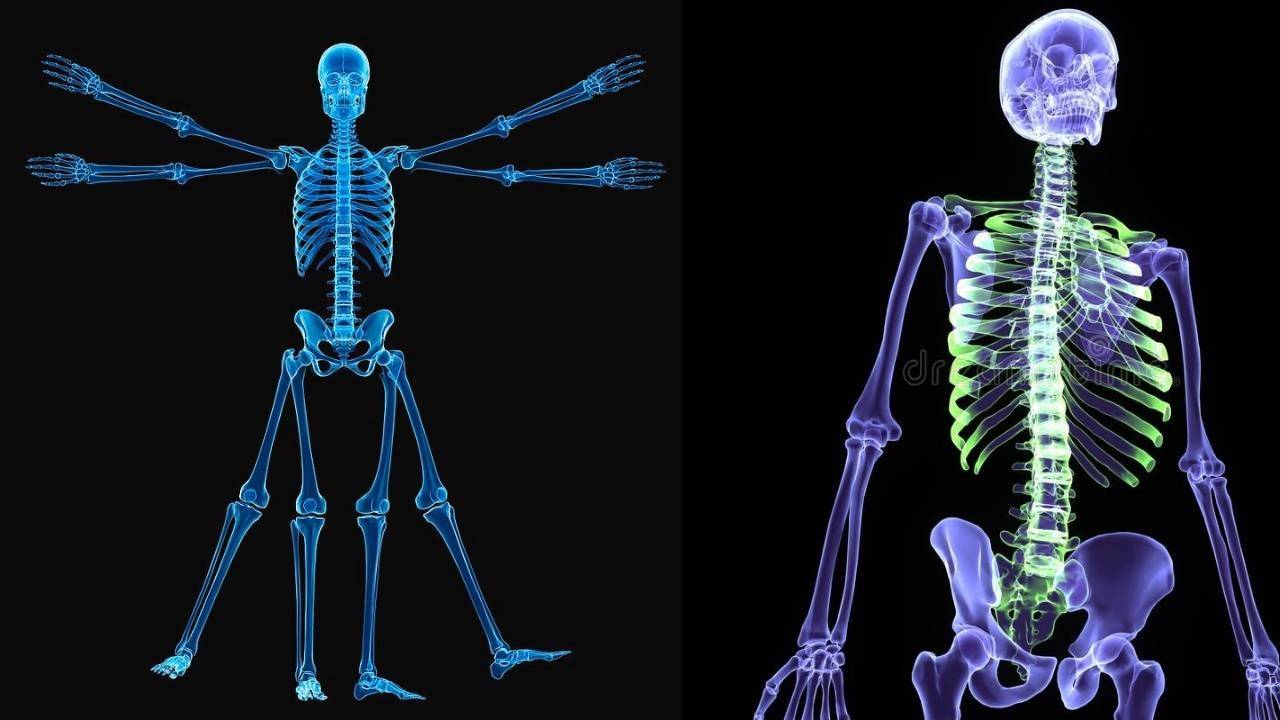
Learn the principles that will guide your understanding of the course concepts and the fundamental biomechanics of the human body.
Week 2: Lower Body Biomechanics & Gait
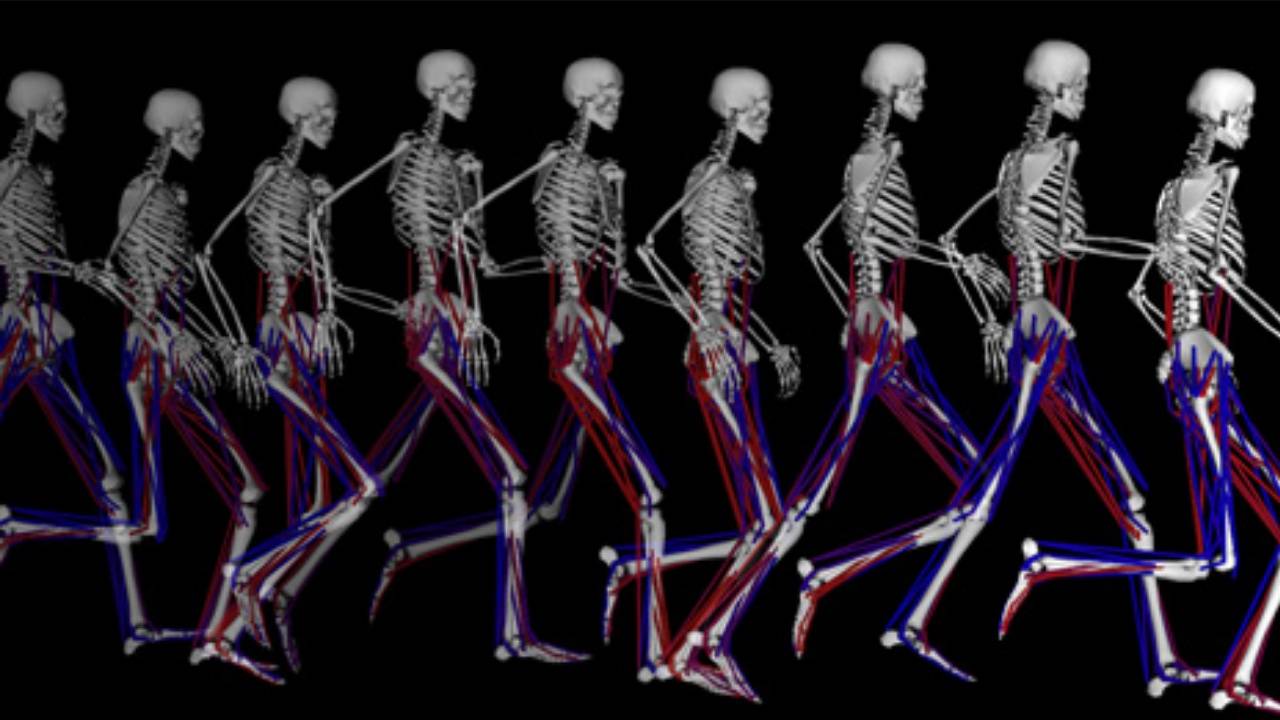
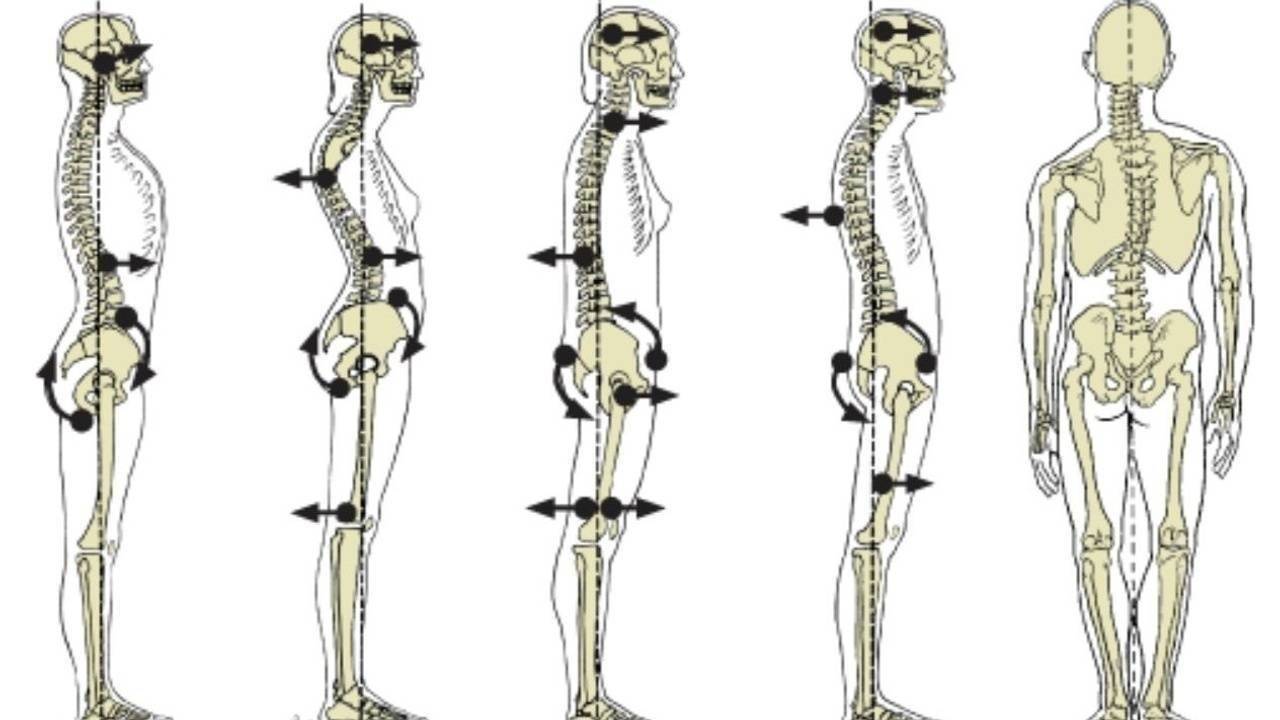
Understand the biomechanics of the pelvis, leg, and foot in human locomotion.
Week 3: Upper Body Biomechanics & Gait
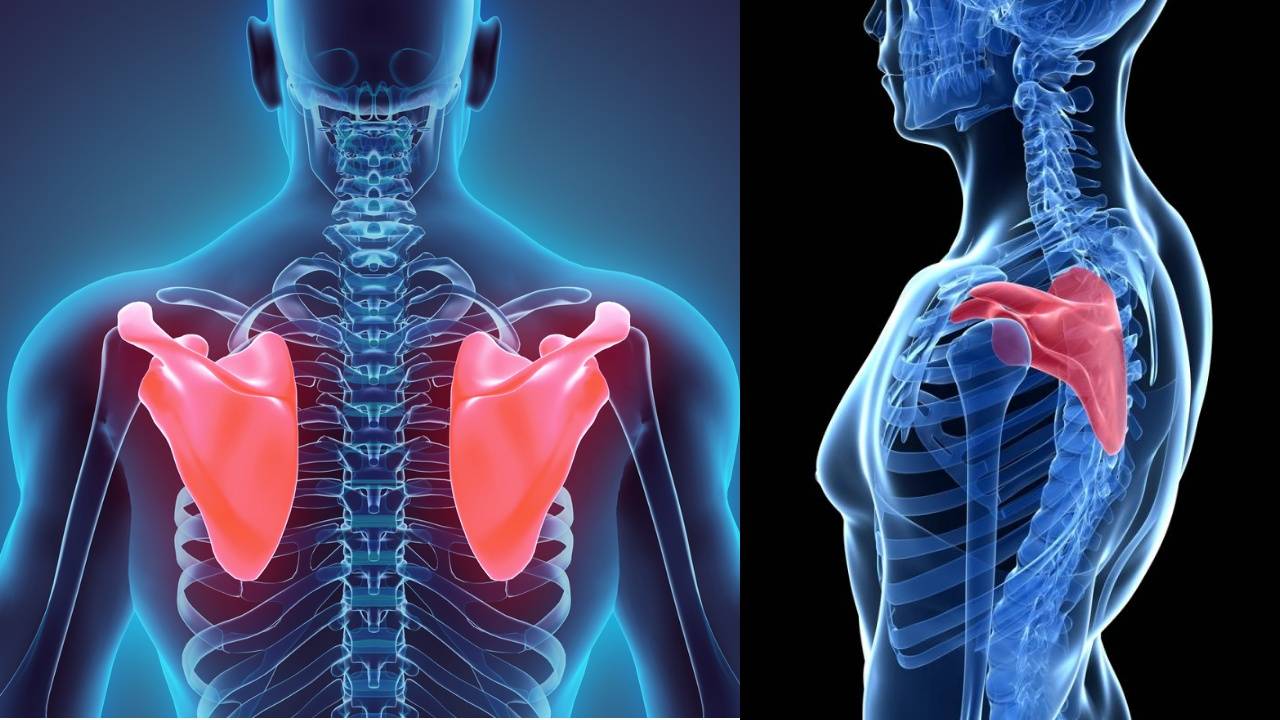
A deep-dive on the biomechanics of the ribcage and shoulder complex as they relate to gait and scapulo-humeral rhythm.
Week 4: Genetic Biases & Asymmetry
Learn how humans are naturally biased towards asymmetrical patterns & lateralization towards one side of the body (Left AIC).
Week 5: Assessments
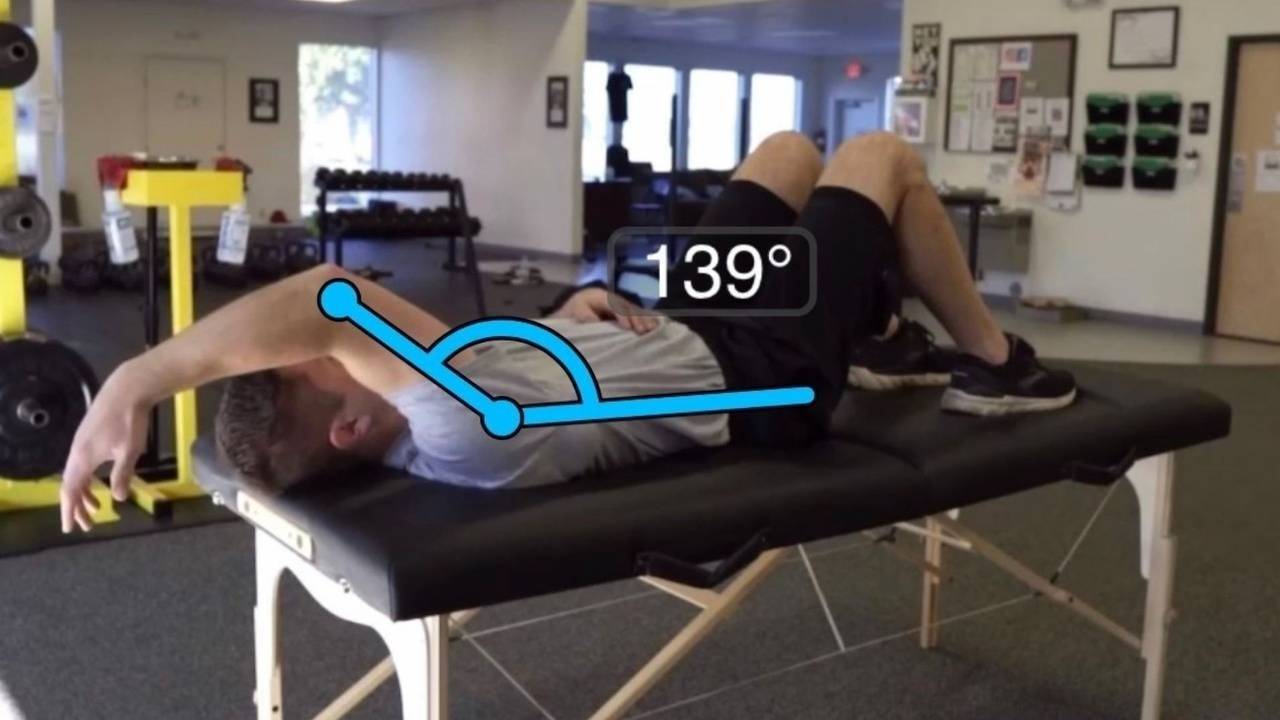
Learn objective biomechanical assessments that will help set the stage for identifying compensations and intervention strategies.
Week 6: Compensatory Patterns
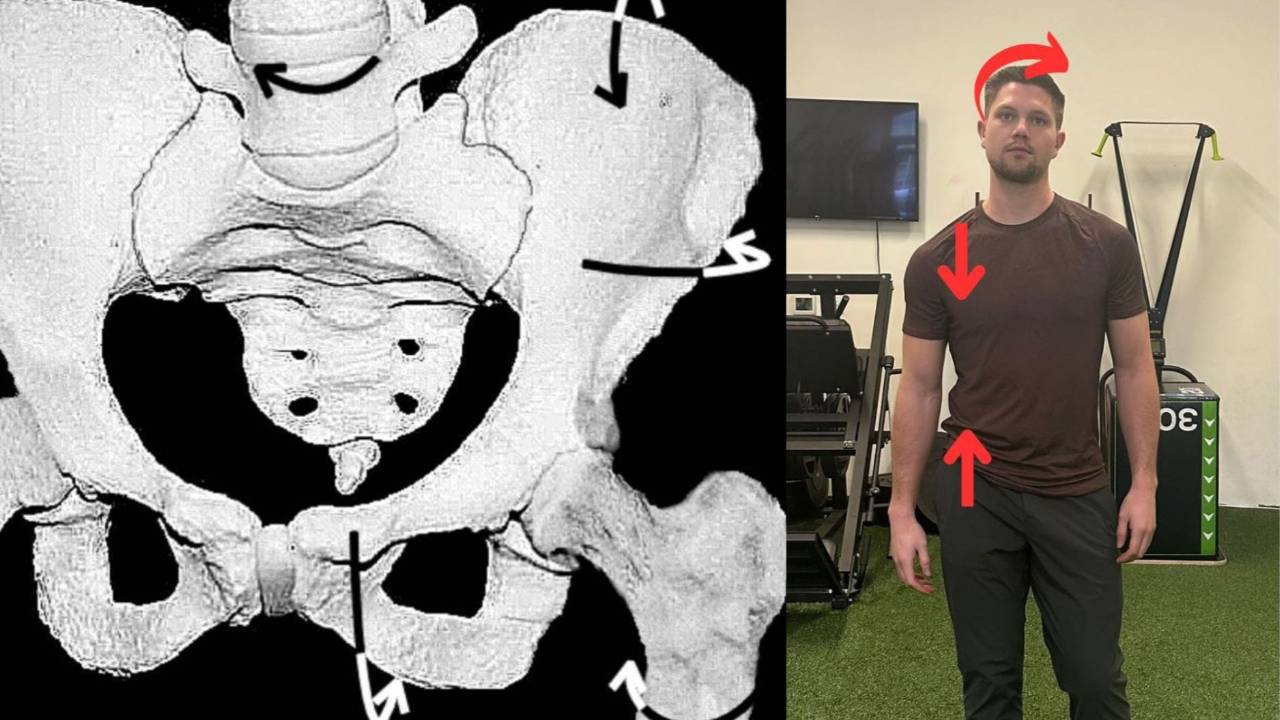
Appreciate sequential layers of compensation of Infrasternal Angles as well as how asymmetrical pelvic and thorax shapes. Learn what assessment results constitute a given layer of compensation.
Week 7: Progression Model & Positional Drills
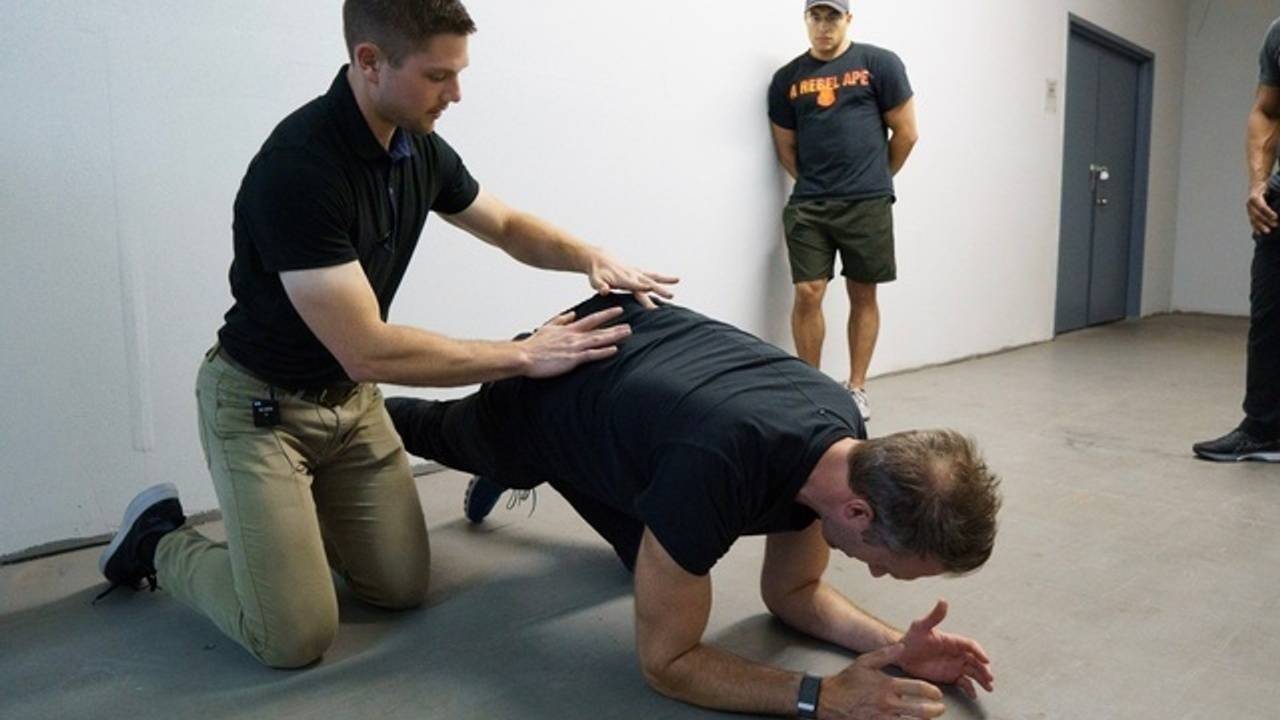
Learn strategies for taking a client's assessment and designing an individualized, strategic progression to improve movement quality and performance. Begin to integrate corrective exercise strategies.
Week 8: Warm-Up & Positional Drills
Introduce Phases 2 & 3 of the progression model as well as learn how to address asymmetrical pelvic orientations.
Week 9: Lower Body Weightroom Exercise Selection
Learn how to choose and modify lower body weightroom exercises to meet the needs and goals of a client. Integrate weightroom exercise selection into the progression model.
Week 10: Upper Body Weightroom Exercise Selection
Learn how to choose and modify upper body weightroom exercises to meet the needs and goals of a client. Integrate weightroom exercise selection into the progression model.