The Antidote to Envy 《嫉妒的解藥》
I recently came across a passage from Krishamurti’s Think On These Things that gave me pause. I rarely highlight entire paragraphs when I read, but this one was so poignant that I had to elevate it from the page and into my memory.
我最近讀到克里希那穆提《思考這些事》中的一段文字,讓我深思。我很少會整段劃線標記,但這段話如此深刻,以至於我不得不將它從書頁中提取,銘記於心。
Here it is: 內容如下:
I am envious because I want to be as beautiful as you are; I want to have the fine clothes, the elegant house, the high position that you have. Being dissatisfied with what I am, I want to be like you; but, if I understood my dissatisfaction and its cause, then I would not want to be like you or long for the things that you have.
我感到羨慕,因為我想像你一樣美麗;我想擁有你那樣的華服、優雅的房子和崇高的地位。對於我現在的自己不滿意,我想成為像你一樣的人;但如果我了解我的不滿及其原因,那麼我就不會想成為你,也不會渴望你所擁有的東西。In other words, if once I begin to understand what I am, then I shall never compare myself with another or be envious of anyone. Envy arises because I want to change myself and become like somebody else. But if I say, “Whatever I am, that I want to understand,” then envy is gone; then there is no need of discipline, and out of the understanding of what I am comes integration.
換句話說,如果我開始了解我自己是什麼樣的人,那麼我就永遠不會拿自己和別人比較,也不會羨慕任何人。羨慕產生是因為我想改變自己,變成別人那樣。但如果我說:「無論我是什麼,我都想去了解」,那麼羨慕就消失了;那時就不需要約束,從對自我的了解中產生整合。
I’ve since re-read this paragraph many times, and there’s one sentence that continues to capture my attention:
我之後多次重讀這段文字,其中有一句話持續吸引著我的注意:
Whatever I am, that I want to understand.
無論我是什麼,我都想要了解。
Today, I want to talk about what it means to know yourself, and how this results in the elimination of envy.
今天,我想談談認識自己意味著什麼,以及這如何導致嫉妒的消除。
I’d like to start with an observation: Some people are open about their struggles with envy, while the majority hide it. I’m calling it an observation because I can’t point to a research paper that clearly shows this asymmetry, yet my personal exploration of human nature indicates that this is likely true.
我想先從一個觀察開始:有些人對自己的嫉妒掙扎坦誠以對,而大多數人則隱藏起來。我稱之為觀察,因為我找不到明確證明這種不對稱的研究論文,但我對人性的個人探索顯示這很可能是真的。
Simply put, envy is one of those complicated emotions that hasn’t had its time in the spotlight yet. Vulnerability came on center stage when Brene Brown gave a popular TED Talk on it, while depression has emerged as something that’s okay to discuss in recent years. Envy, however, hasn’t quite found that comfort zone. Revealing that you’re an envious person won’t yield much sympathy, and is often accompanied by a sense of shame that you feel this way.
簡單來說,嫉妒是一種尚未被充分關注的複雜情緒。當 Brene Brown 在 TED 演講中談到脆弱性時,脆弱性便成為了焦點;而憂鬱症在近年來也逐漸成為可以公開討論的話題。然而,嫉妒卻還沒有找到那個讓人感到自在的空間。承認自己是個嫉妒的人,往往不會得到太多同情,反而常伴隨著一種因為有這種感覺而感到羞愧的心情。
But envy is one of the most pervasive problems in today’s world, especially as social media normalizes the successes of others, making you feel like you’re “underperforming” the average when in reality you’re being shown a highlight reel of outliers. You’re always comparing yourself to someone ahead of you, and the goalpost will keep moving because the algorithm ensures that it moves on your behalf. And whenever a hierarchy like this exists, the fingers of envy creep within.
但嫉妒是當今世界中最普遍的問題之一,尤其是在社群媒體將他人的成功常態化的情況下,讓你覺得自己「表現不如人」,而事實上你看到的只是少數人的精彩片段。你總是在和比你更前面的人比較,而目標標竿也會不斷移動,因為演算法會替你推動它。只要存在這樣的階層結構,嫉妒的手指便會悄悄伸入其中。
All this results in a conundrum. Envy is running through everyone’s veins, yet no one feels like they could talk about it. No one wants to admit that the success of others makes them feel inadequate, and that this inadequacy dampens their sense of self-worth. Not only is it difficult to admit this to others, but it’s just as hard to admit it to oneself.
這一切導致了一個難題。嫉妒流淌在每個人的血脈中,卻沒有人覺得自己能夠談論它。沒有人願意承認別人的成功讓自己感到不足,而這種不足感削弱了自我價值感。不僅難以向他人承認這一點,對自己承認也同樣困難。
But that last word – oneself – is where the solution to this resides.
但最後那個詞——自己——正是解決之道所在。
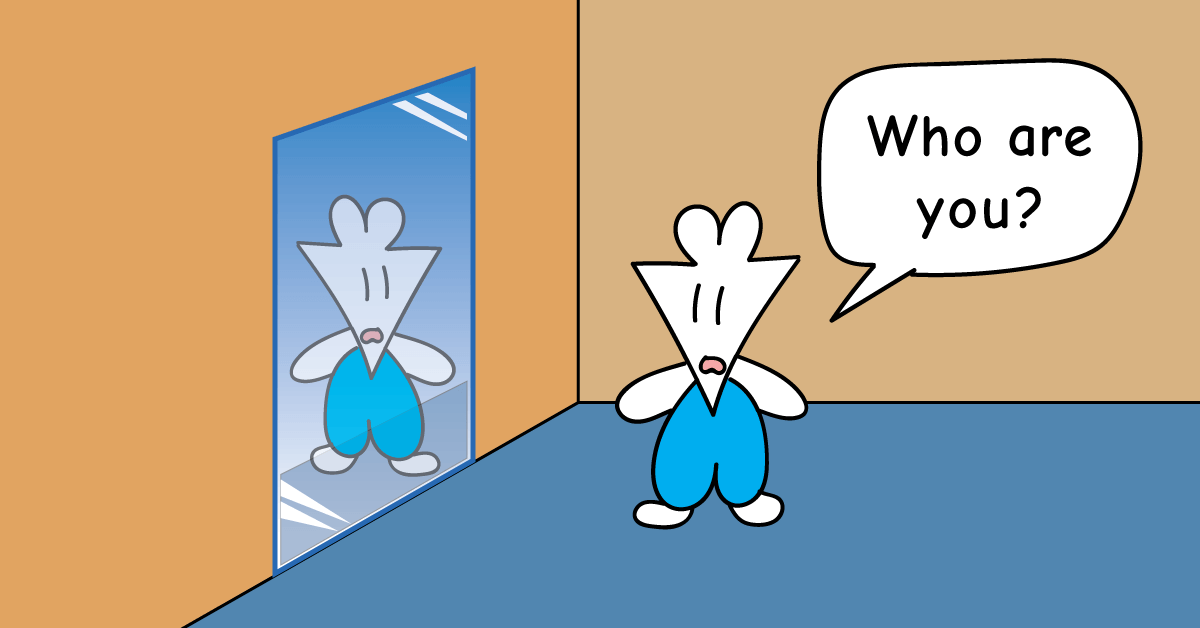
Ultimately, envy is the result of not knowing who you are. It arises when you outsource your definitions of success to whatever norms you’ve adopted – whether consciously or not. In one person’s case, it might be wealth. In another, it may be social media followers. In another, it could be the size of a home. Regardless of what the barometer is, the fact that you desire it means that you’re looking beyond the contents of your mind and into the collective pool of society. You’re ceasing to look into what makes you uniquely you, and are gazing into the chaos of chasing that which you don’t understand.
歸根究底,嫉妒源於不知道自己是誰。當你將成功的定義外包給你所採納的任何標準——無論是有意識還是無意識的——嫉妒便會產生。對某些人來說,可能是財富;對另一些人,可能是社群媒體的追蹤者數量;還有些人,可能是房屋的大小。不論這個標準是什麼,你渴望它的事實意味著你正在超越自己內心的內容,投向社會的集體池塘。你停止了探尋使你獨一無二的本質,而是在混亂中追逐那些你不理解的東西。
One of my favorite Joker lines from The Dark Knight is when he says that people are like dogs chasing cars; they won’t know what to do if they actually catch them. I find that the same thing applies to the chase of success or anything that might make you feel envious. If you got the thing that was the subject of your envy, then what? Is that it? Are you satisfied?
我最喜歡《黑暗騎士》中小丑的一句台詞是,他說人就像追車的狗;如果真的追到了車,牠們反而不知道該怎麼辦。我覺得這句話同樣適用於追求成功或任何讓你感到羨慕的事物。如果你得到了那個你羨慕的東西,那又如何?就這樣嗎?你滿足了嗎?
Chances are, you’ll be like the dog having caught the car. There’s simply nothing you could do, except one of two things:
很可能,你會像那隻抓到車的狗一樣。你根本無能為力,除了兩件事:
(1) Keep yourself busy by chasing another car, or
(1) 讓自己忙碌起來,去追逐另一輛車,或者
(2) Learn that this entire chase is pointless.
#1 is what psychologists refer to as the hedonic treadmill, while #2 is what I refer to as the antidote to envy.
There is an interesting thing that happens when you see how society is organized into a giant game. You see the puppet strings of incentives and the invisible hierarchies that govern the way the pieces move, and this realization is both fascinating and disconcerting. No human being wants to be reduced to an algorithm, but it’s funny how if you get enough of us together, we behave in ways that are just as predictable as the execution of a file.
To see beyond the game is to direct your attention inward instead. Rather than chasing the next car, you’ll explore why you wanted to chase that car in the first place. Because if you explore your own mind’s motives in great detail, you’ll learn more about humankind than playing any game ever will.
Whatever I am, that I want to understand.
The reason why self-understanding leads to the elimination of envy is because when you explore the labyrinth of your mind, you simply have no room to want what another person has. There are more mysteries within the bounds of your own life than any novel can ever express, and this journey will take an entire lifetime to cover.
Remember: You didn’t choose your genes, your parents, your upbringing, your interests. Pretty much everything of consequence is the result of happenstance, and that is where we all begin. We’re equipped with a mind and body that we didn’t choose, yet the temptation is to believe that we know who we are. Nothing could be further from the truth, and the way to get closer to this truth is not to compare yourself to another, but to know what “yourself” even means in the first place.
At its core, self-understanding is a commitment to figuring out why you think the way you think. In my case, writing these kinds of essays is my way of understanding myself. I don’t do it to build an audience or to seek recognition for them. I do it because I want to explore why I struggle with the things I struggle with, and why I love the things I love. Given that I wasn’t the conscious agent that constructed my mind, it’s up to me to figure out what’s really going on underneath the hood of it all. No one can do that but me, and no one can do that for you but you.
Envy is inversely correlated with self-examination. The less you know yourself, the more you look to others to get an idea of your worth. But the more you delve into who you are, the less you seek from others, and the dissolution of envy begins.
_______________

If you enjoyed this post, consider joining the More To That newsletter. You’ll be notified when a new post is up, and will get access to personal reflections that you won’t find anywhere else.
_______________
For a deeper dive into envy, check out this piece: