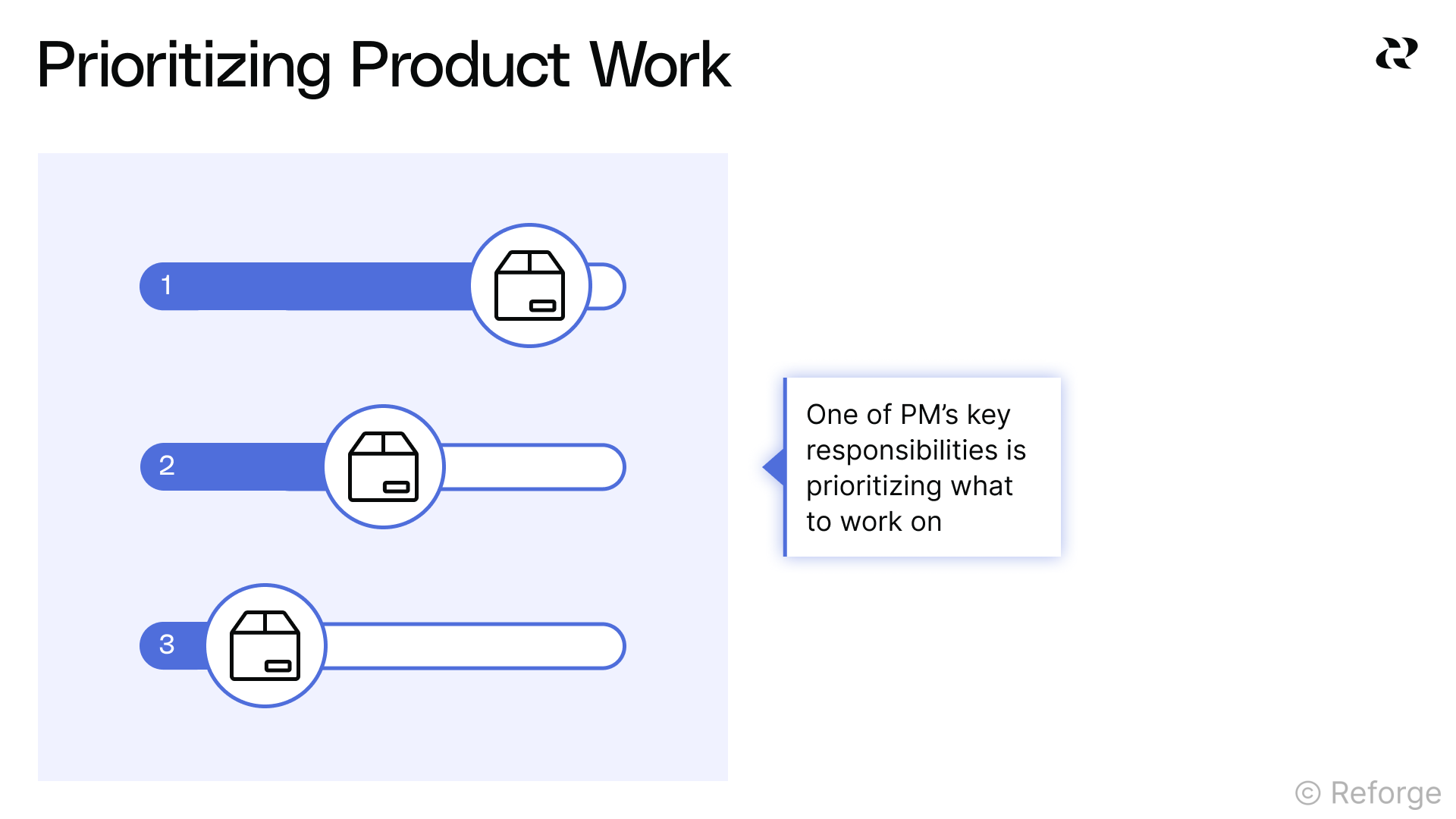
PMs know that one of their key responsibilities is prioritizing what to work on, and it’s crucial to get this right so that the team is investing their time and resources in building what matters most.
產品經理知道,他們的一項關鍵責任是優先考慮要處理的事項,這一點至關重要,因為這樣才能確保團隊將時間和資源投入到最重要的建設上。
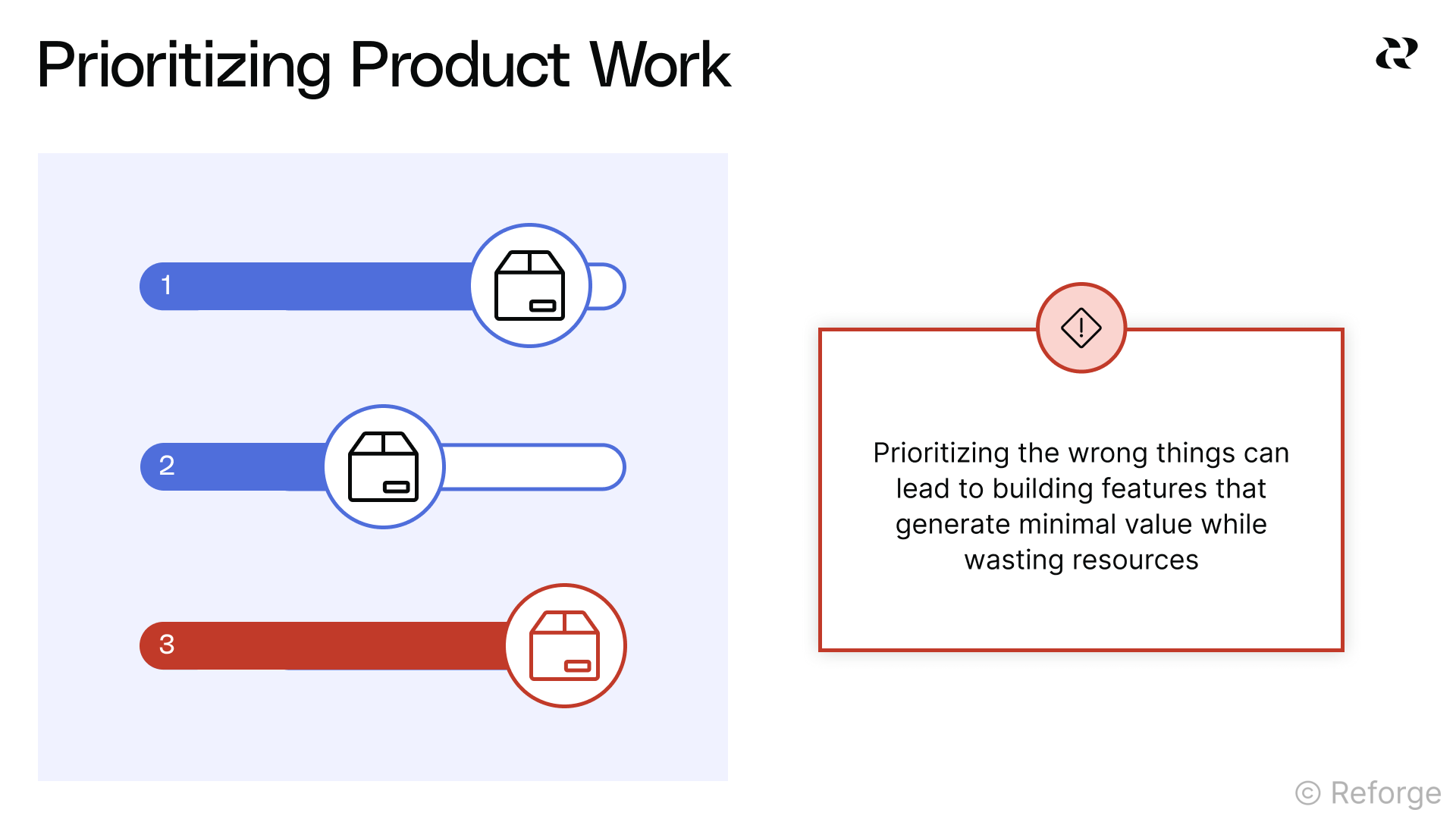
優先考慮錯誤的事項可能會導致開發出對客戶和企業產生最小價值的功能,同時浪費寶貴的資源。

However, what makes prioritization so important is also what makes it so challenging. It’s difficult to know which projects will provide the most value, and PMs have the uncomfortable task of making decisions based on imperfect and incomplete information. And once they prioritize those projects based on customer value, PMs often discover that the dream plan doesn’t match the reality of executing it. Teams can’t always build in perfect priority order because of dependencies or other constraints that emerge during development. These constraints create an entirely new subset of prioritization questions.
然而,使得優先排序如此重要的原因,也正是使其充滿挑戰的原因。很難知道哪些專案能提供最大的價值,而產品經理必須在不完美和不完整的信息基礎上做出決策。當他們根據客戶價值來優先排序這些專案時,產品經理常常發現理想的計畫與執行的現實不符。由於開發過程中出現的依賴性或其他限制,團隊無法總是按照完美的優先順序進行建設。這些限制創造了一整套新的優先排序問題。
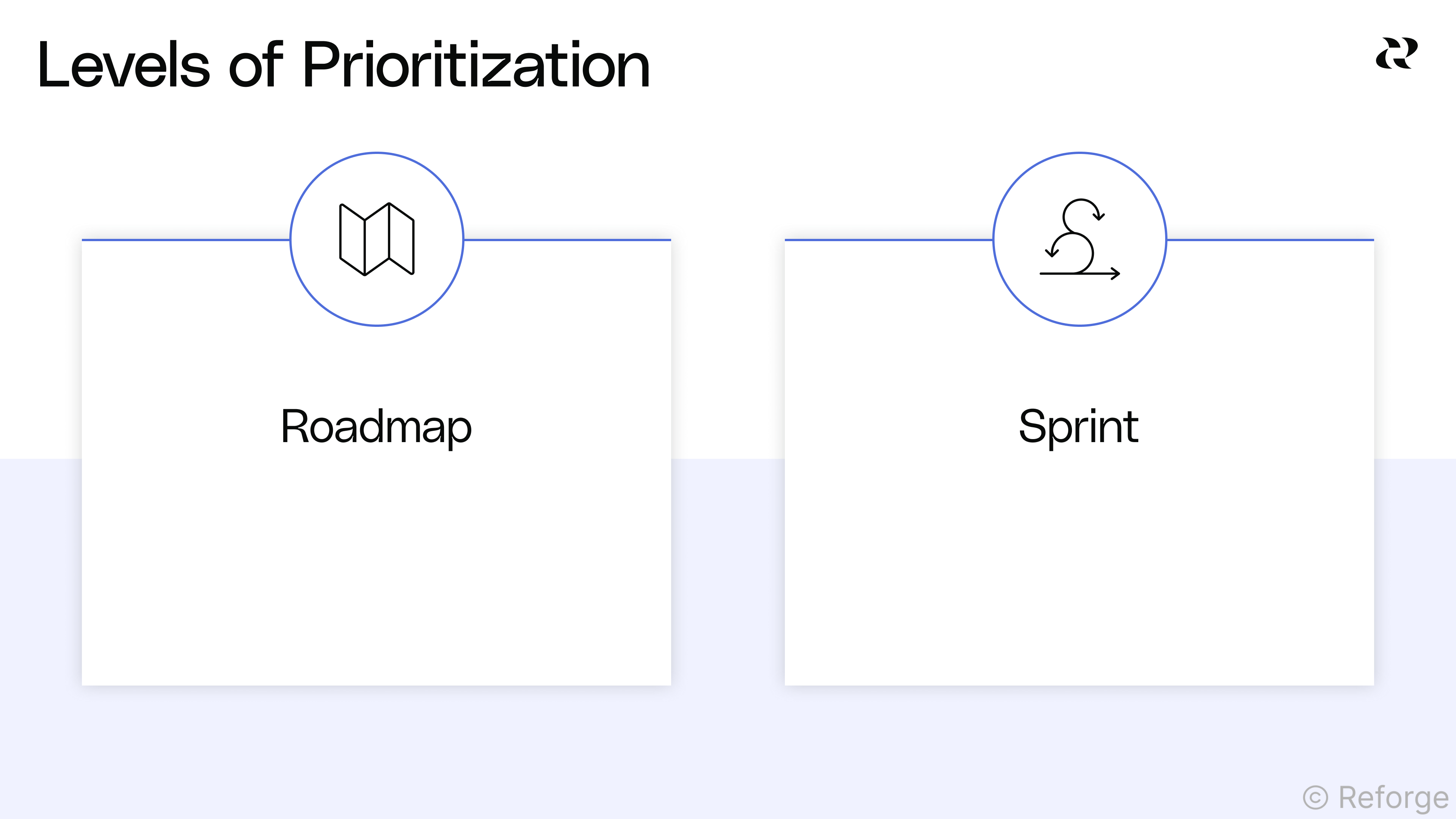
So PMs need to develop the skills to prioritize product work at two levels: the roadmap and the sprint.
因此,產品經理需要培養在兩個層面上優先排序產品工作的技能:產品路線圖和短衝。
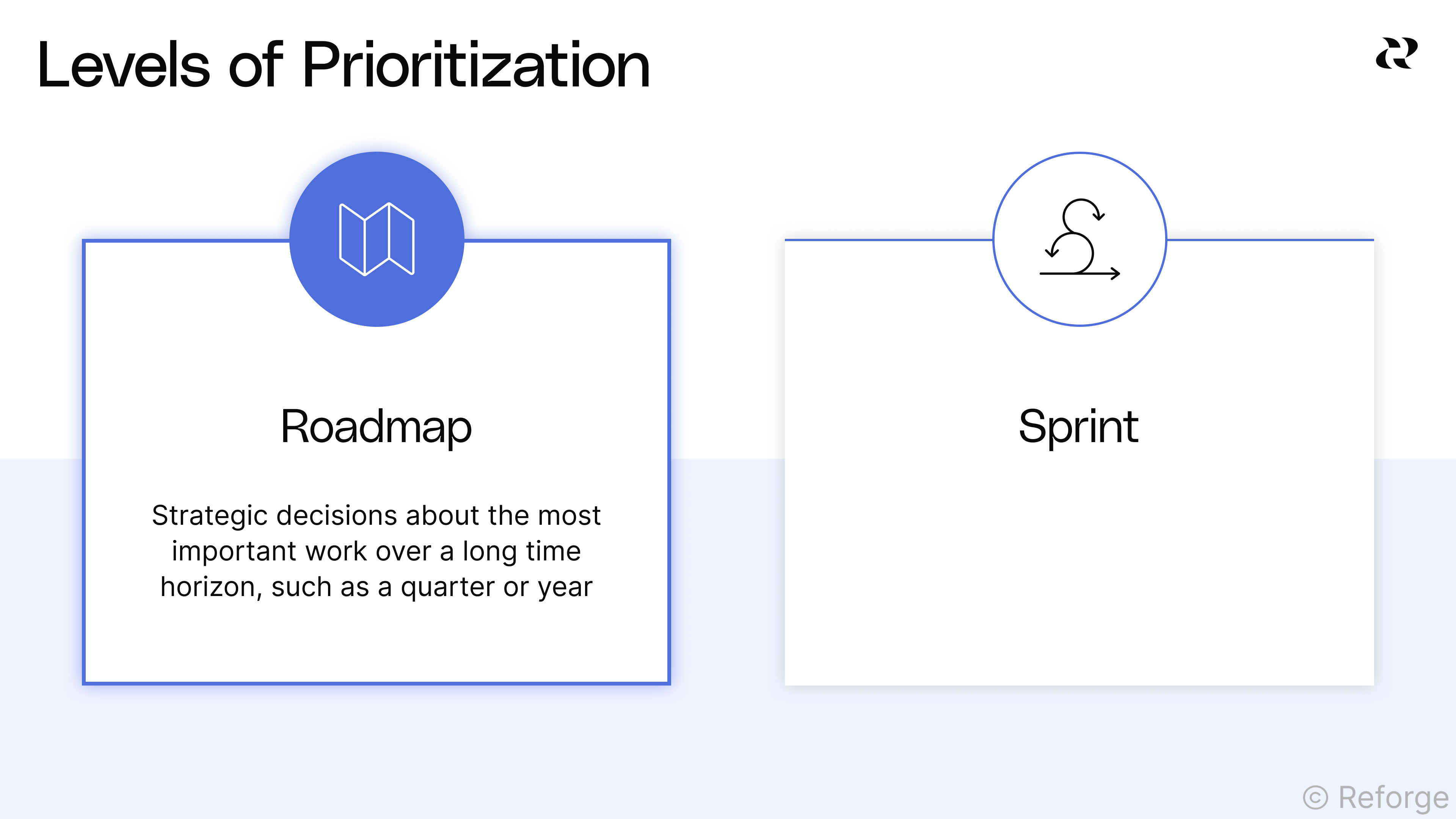
Roadmap prioritization is the set of strategic decisions about the most important things you should work on over a relatively long time horizon, such as a quarter or year. This time horizon is long enough to make significant progress on strategic themes but short enough for you to have conviction that the market or customer you’re building for will still be relevant by the time you’ve finished building.
路線圖優先排序是一系列關於在相對較長的時間範圍內(如一個季度或一年)應該專注於最重要事項的策略性決策。這段時間足夠讓您在策略主題上取得顯著進展,但又不至於太長,以至於在完成建設時,您所針對的市場或客戶仍然具有相關性。
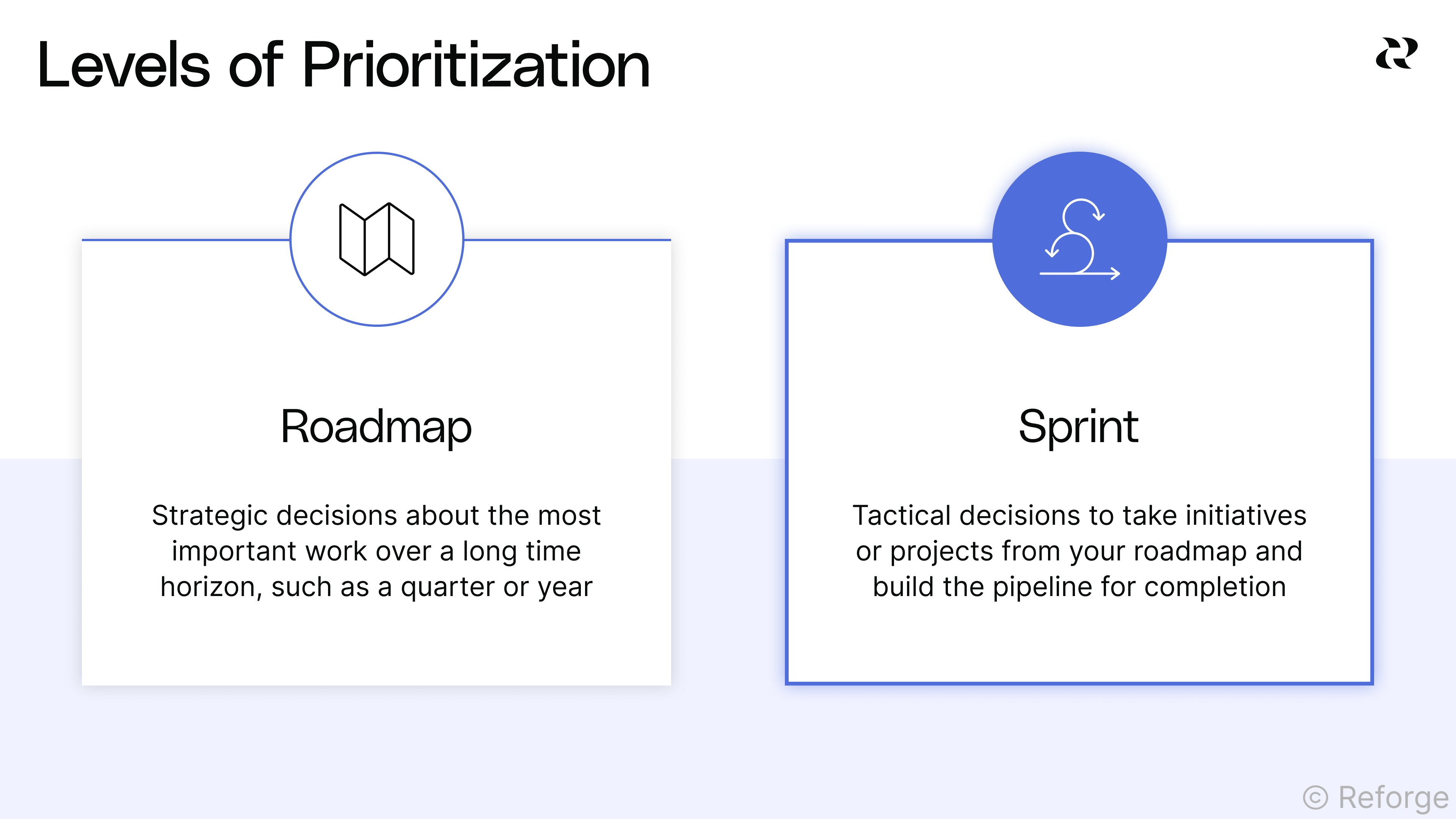
On the other hand, sprint prioritization is about the more tactical decisions to take initiatives or projects from your roadmap, build the pipeline for completion, and ensure efficient resource use. The time horizon for this level of prioritization is typically weeks.
另一方面,衝刺優先排序則是關於從你的路線圖中選擇計劃或專案的更具戰術性的決策,建立完成的管道,並確保資源的有效利用。這一層級的優先排序時間範圍通常為數週。

We’ll start with roadmap prioritization. Before diving into roadmapping, it’s crucial to gather prerequisite information to help orient yourself. Without doing this prep work, it becomes difficult to set the right decision-making criteria for what is most important and why.
我們將從路線圖優先排序開始。在深入制定路線圖之前,收集必要的前置資訊是至關重要的,這有助於你確立方向。如果不進行這些準備工作,就很難設定正確的決策標準來判斷什麼是最重要的以及為什麼重要。
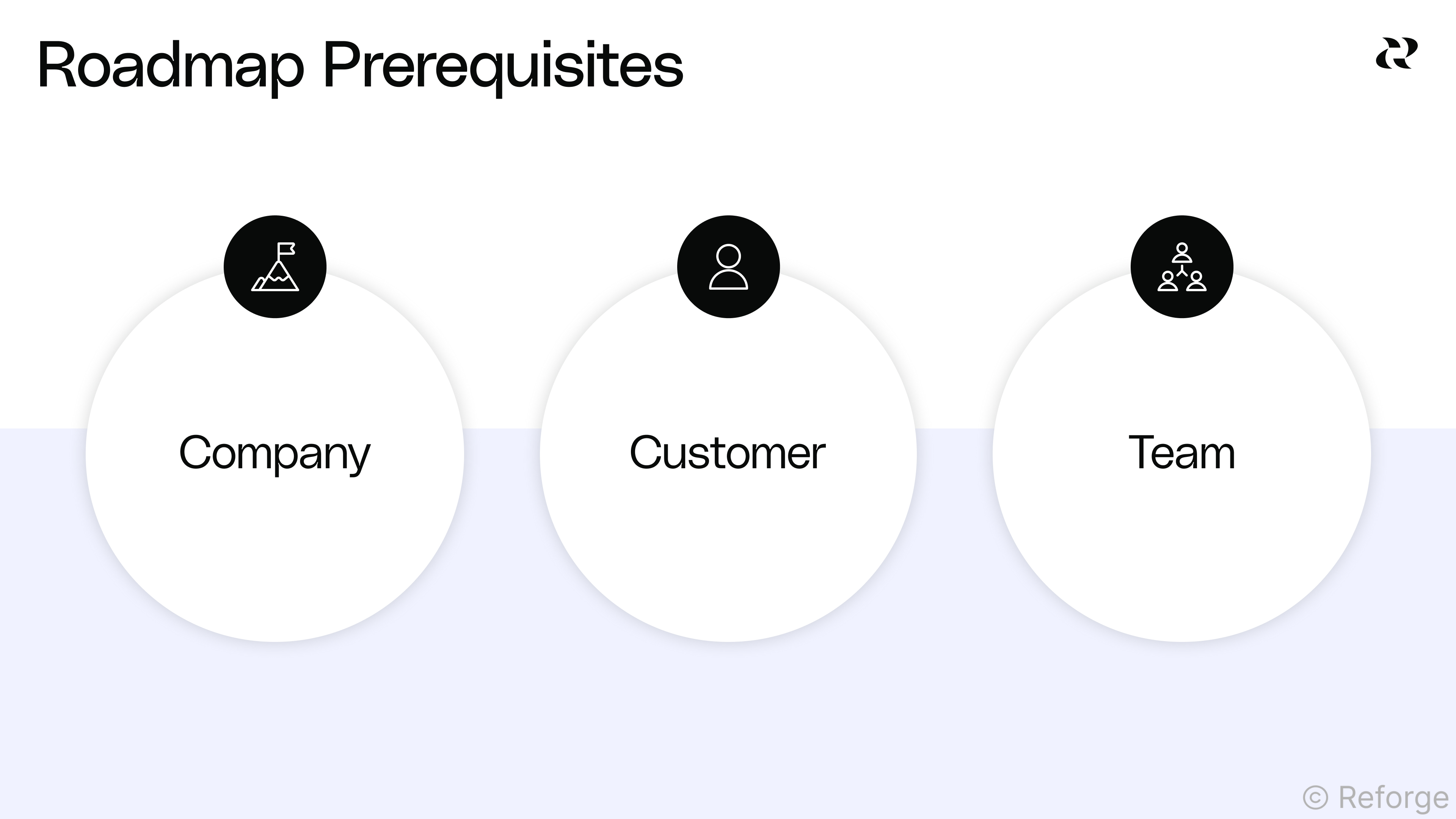
There are three prerequisite categories you’ll need to understand before building a roadmap: your company, your customer, and your team.
在制定路線圖之前,您需要了解三個先決條件類別:您的公司、您的客戶和您的團隊。
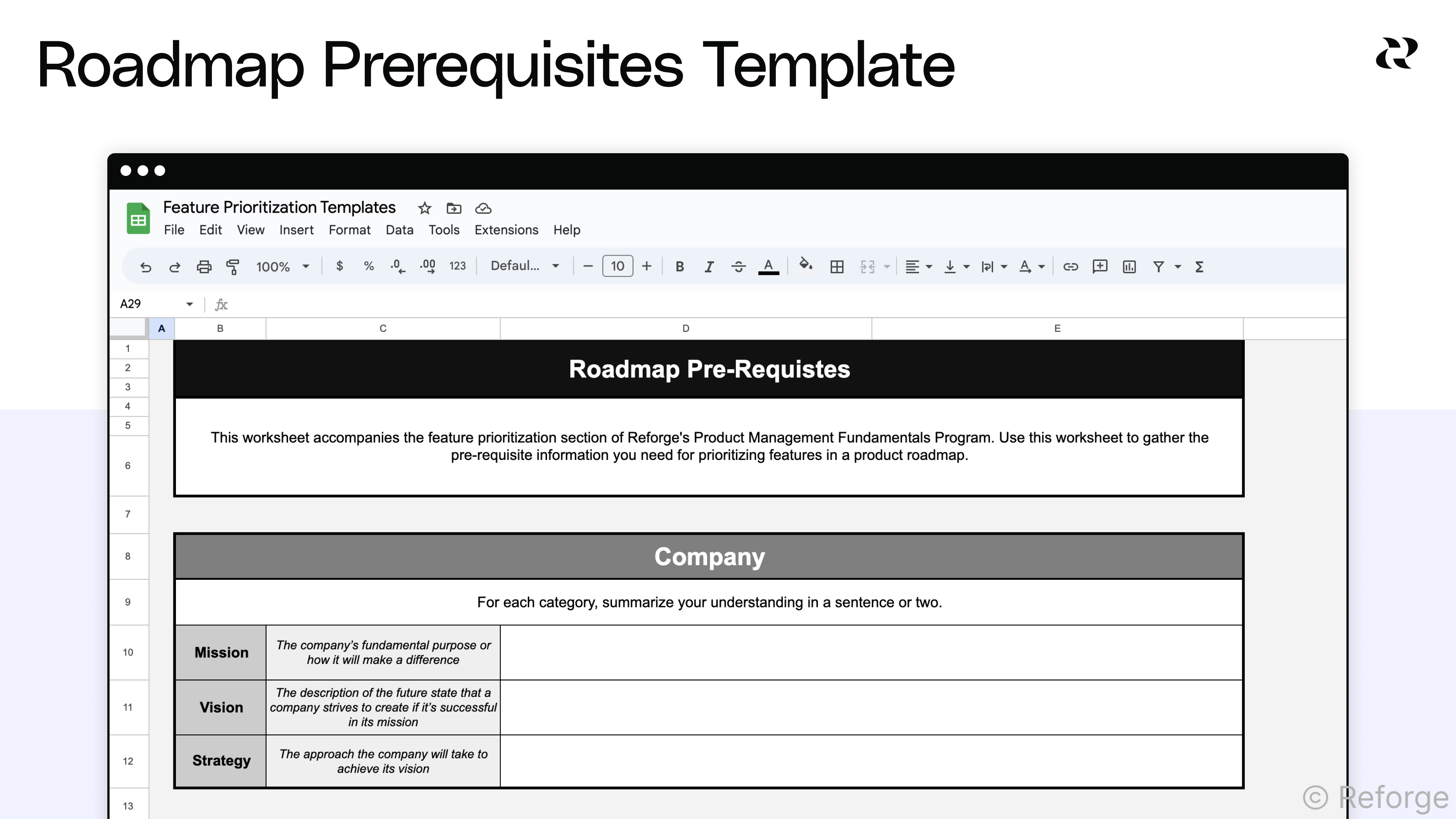
We’ll dive into each one of these categories in detail. You can use the Roadmap Prerequisites Worksheet to follow along and summarize findings for your own work.
我們將深入探討這些類別的每一個細節。您可以使用《路線圖前置條件工作表》來跟隨進度,並總結您自己的工作發現。
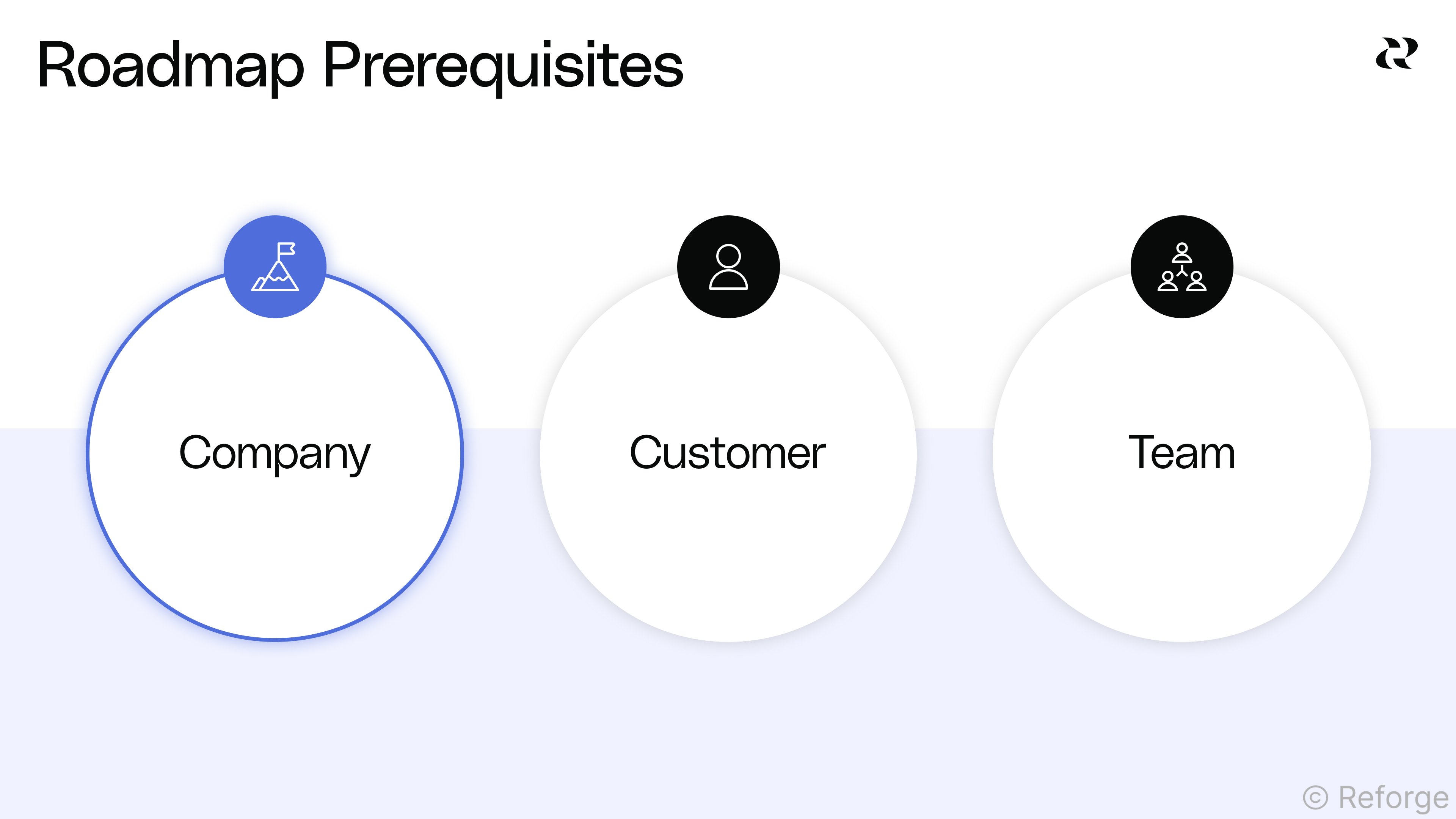
Let’s begin with the company prerequisites.
讓我們從公司的先決條件開始。
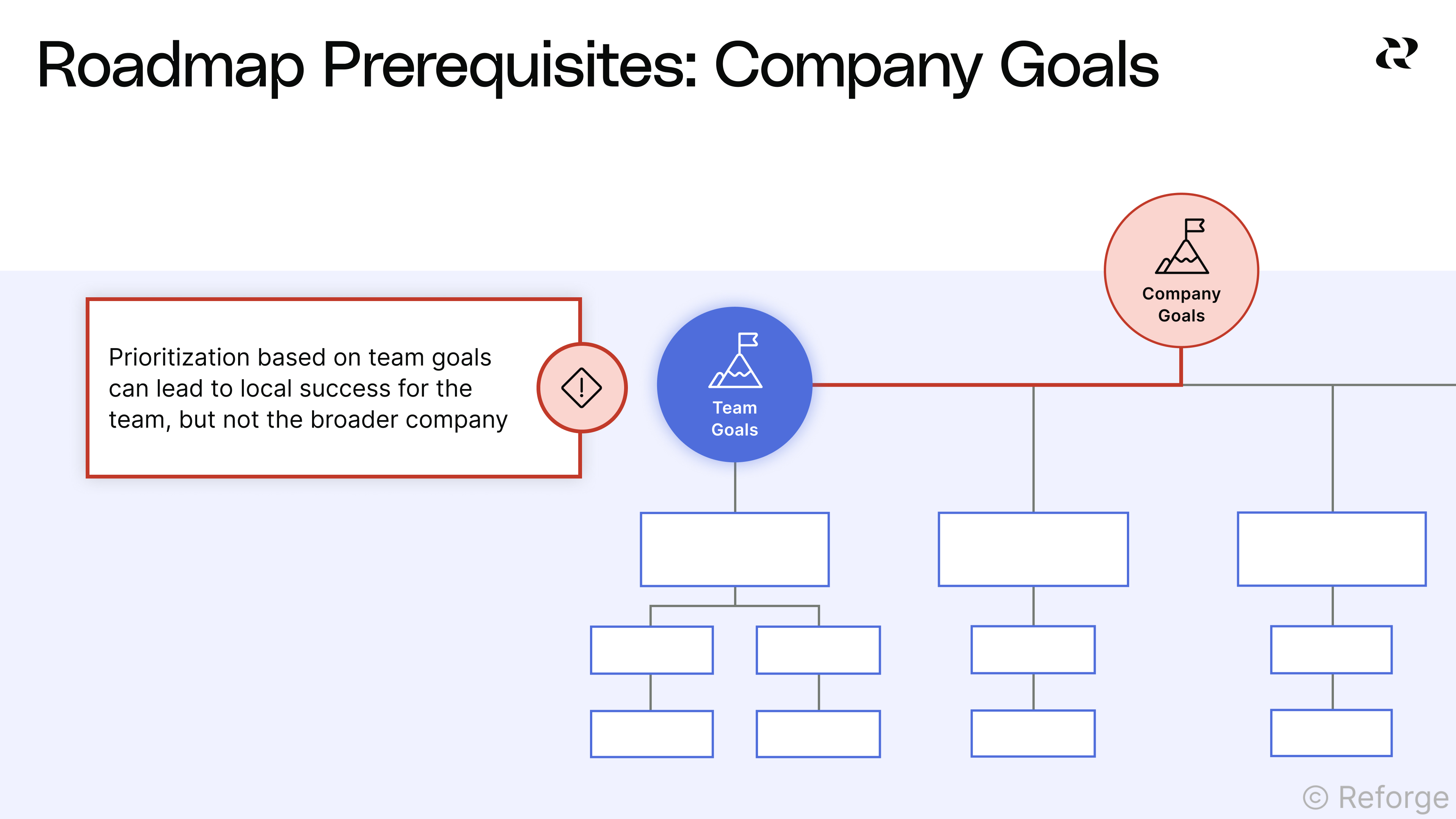
For earlier-career PMs, it’s easy to fall into the trap of prioritizing first and foremost based on their own team’s goals. But if you don’t consider how your work also drives the company-level goals, this can lead to local success for your team that’s actually detrimental to the broader company.
對於職業生涯較早期的產品經理來說,很容易陷入優先考慮自己團隊目標的陷阱。但如果不考慮你的工作如何推動公司層面的目標,這可能會導致你的團隊在局部上取得成功,卻對整個公司造成不利影響。
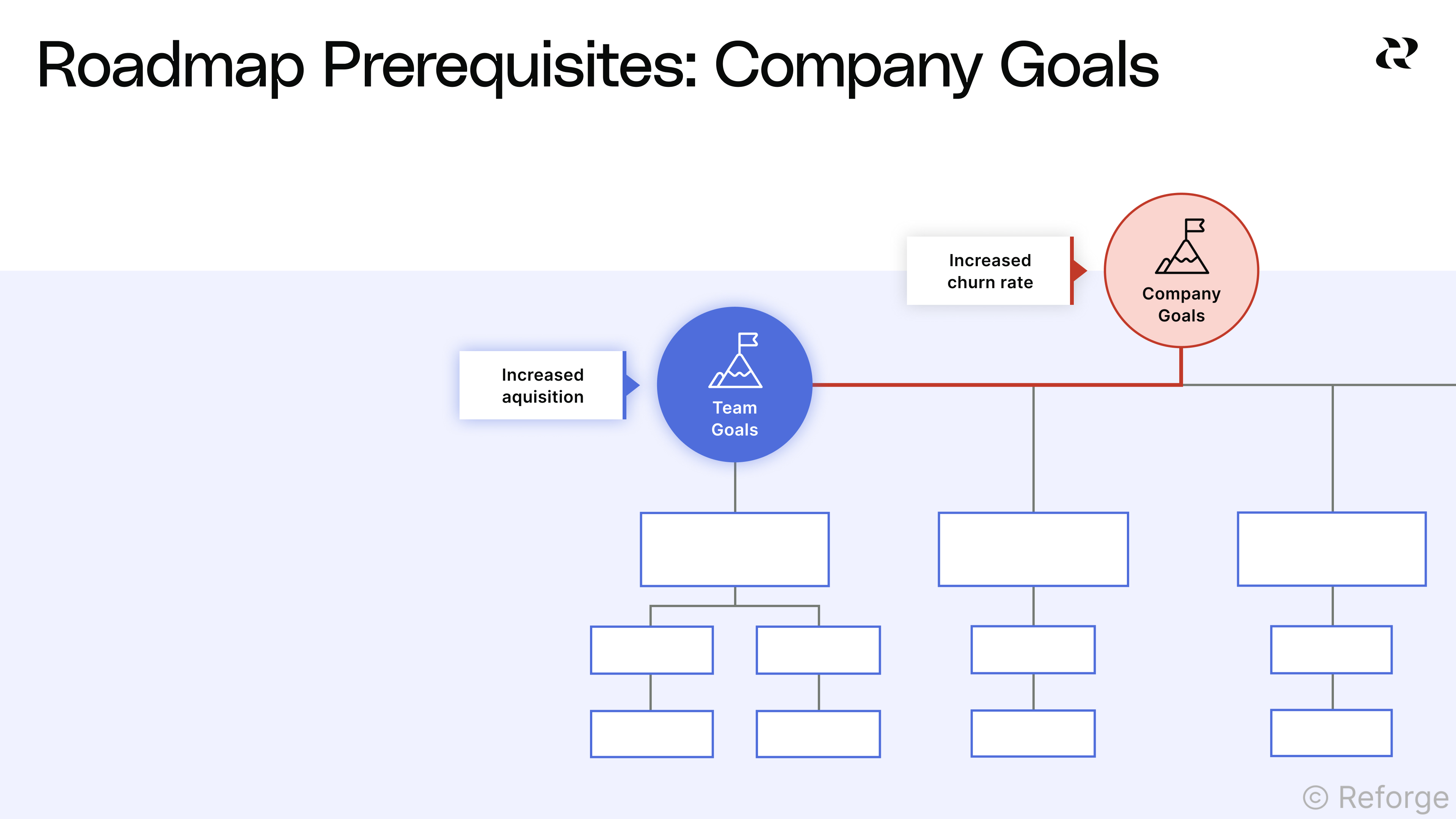
As an example, consider a PM focused on features that increase acquisition or top-of-funnel growth dramatically. Maybe they meet their targets, but these new users are not the ideal customer profile and so they churn at a high rate. This PM might be hitting their goals, but they’re actually not delivering value to the broader company.
舉個例子,想像一位專注於大幅提升用戶獲取或漏斗頂端增長的產品經理。也許他們達到了目標,但這些新用戶並不是理想的客戶群,因此流失率很高。這位產品經理可能達成了自己的目標,但實際上並未為整個公司帶來價值。
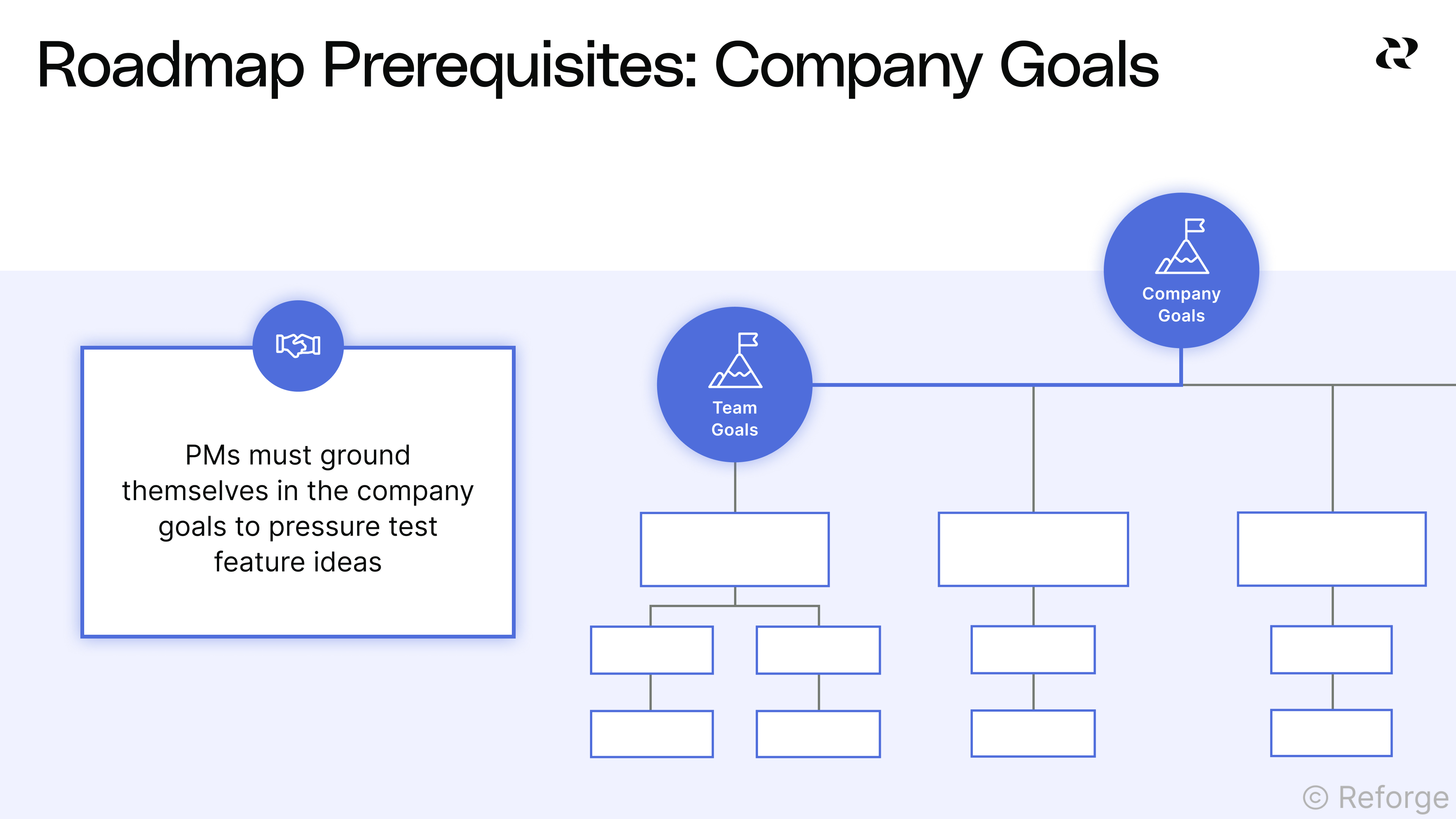
For this reason, PMs need to ground themselves in the company goals first to pressure test if individual feature ideas align with them.
因此,產品經理需要首先以公司目標為基礎,來檢驗各個功能構想是否與之相符。
The best way to do this is to deeply understand the company’s mission, vision, and strategy.
最好的方法是深入了解公司的使命、願景和策略。
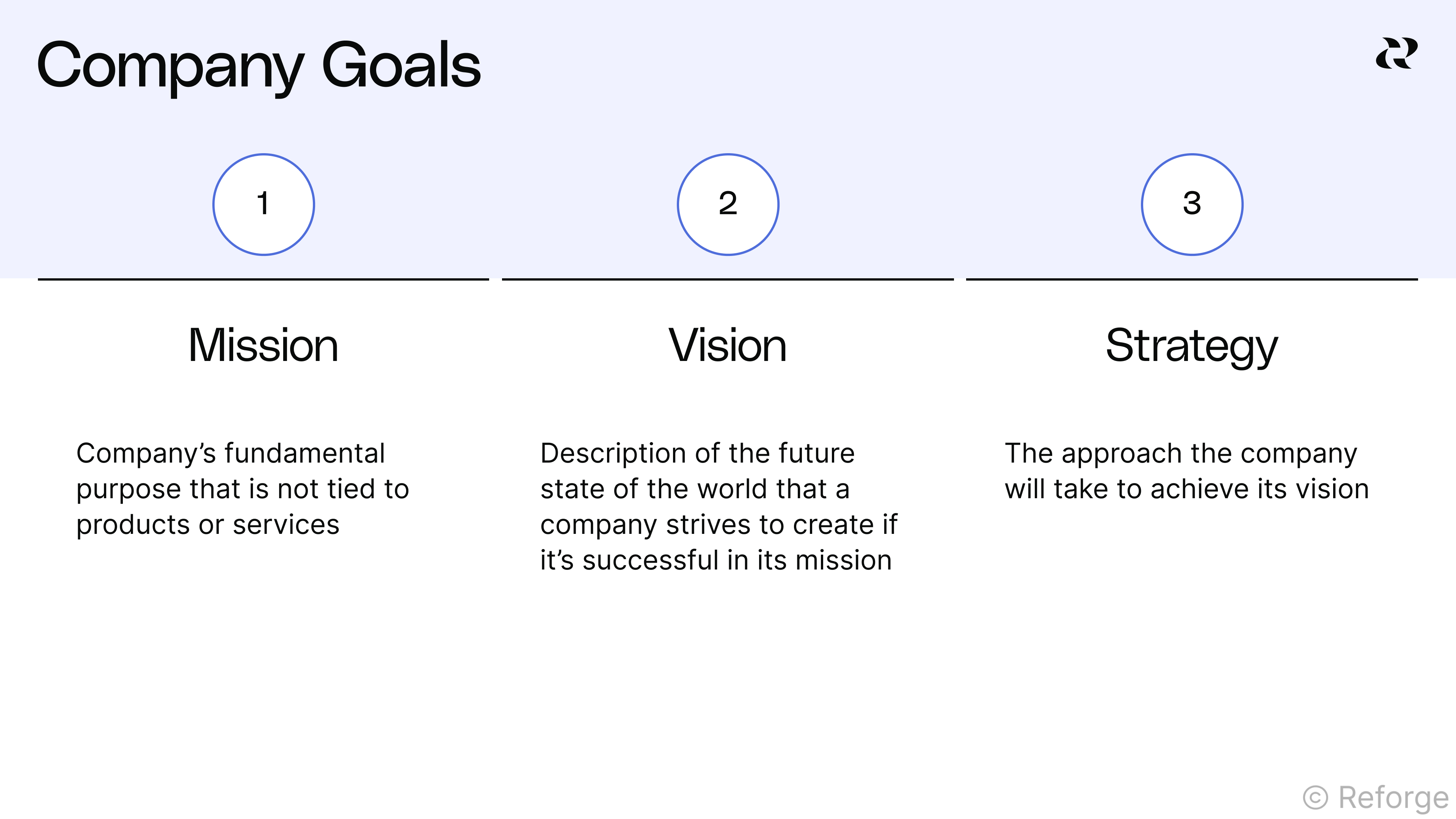
The mission is the company’s fundamental purpose that is not tied to products or services. It’s often stated in terms of how the company will make a difference in the world.
使命是公司的根本目的,與產品或服務無關。通常以公司將如何改變世界的方式來表述。
The vision is the clear description of the future state of the world that a company strives to create if it’s successful in its mission. This statement is typically inspiring, aspirational, and on a longer time horizon, such as more than ten years.
願景是公司若成功完成使命後,所努力創造的未來世界狀態的清晰描述。這一陳述通常具有啟發性、理想性,並著眼於較長的時間範圍,例如超過十年。
And finally, the strategy is the approach the company will take to achieve its vision, typically on a more focused time horizon such as two to five years, depending on the size and maturity of the company.
最後,策略是公司為實現其願景所採取的方法,通常是在較為集中的時間範圍內,例如兩到五年,這取決於公司的規模和成熟度。
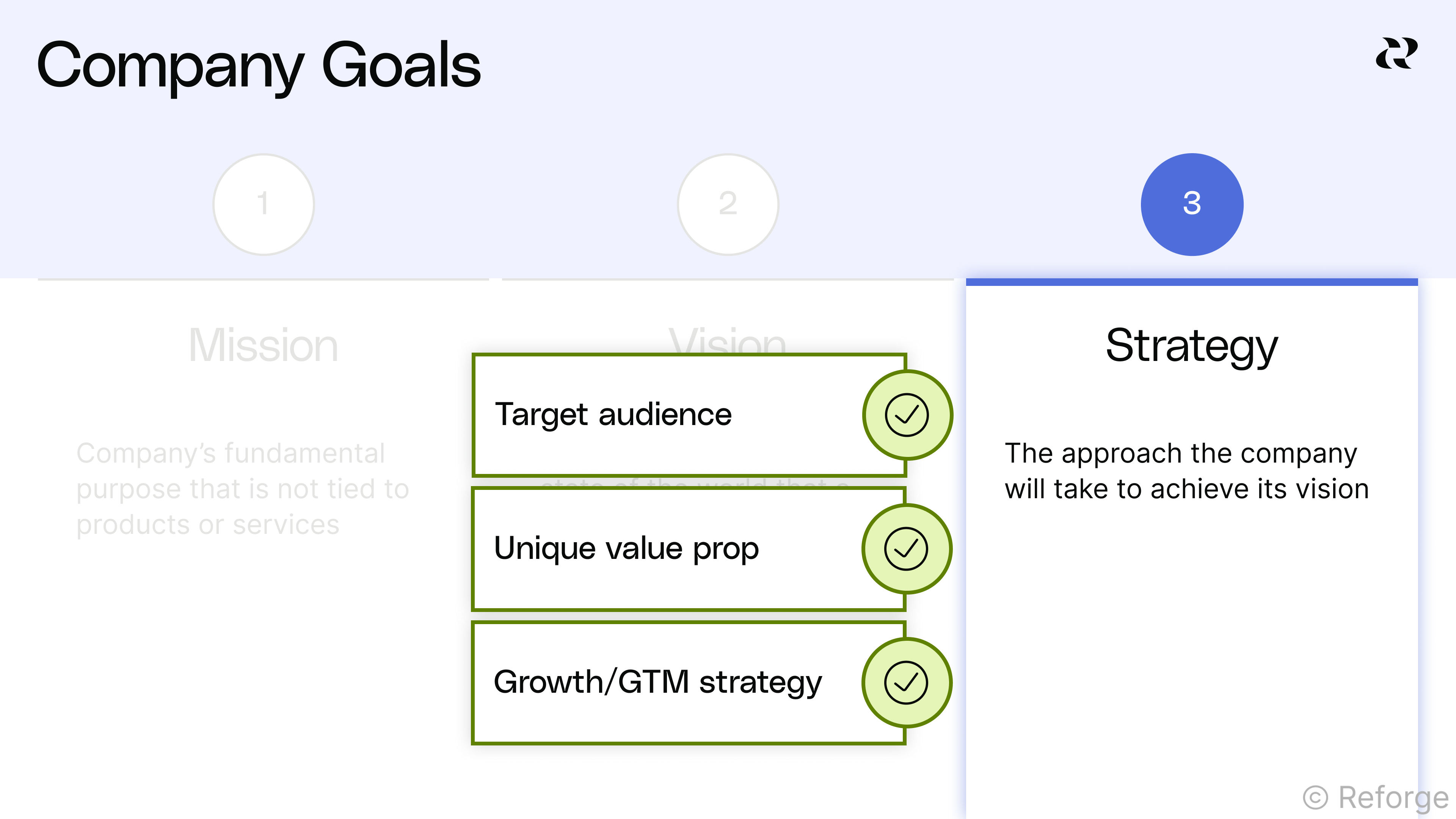
A good strategy typically includes detail on the target audience, how the company’s offer is unique from other competitors and alternatives, and the growth motions and go-to-market strategy to connect the target audience with that differentiated value.
一個好的策略通常包括對目標受眾的詳細描述、公司產品如何在競爭對手和替代方案中脫穎而出,以及將目標受眾與這種差異化價值聯繫起來的成長動作和市場進入策略。
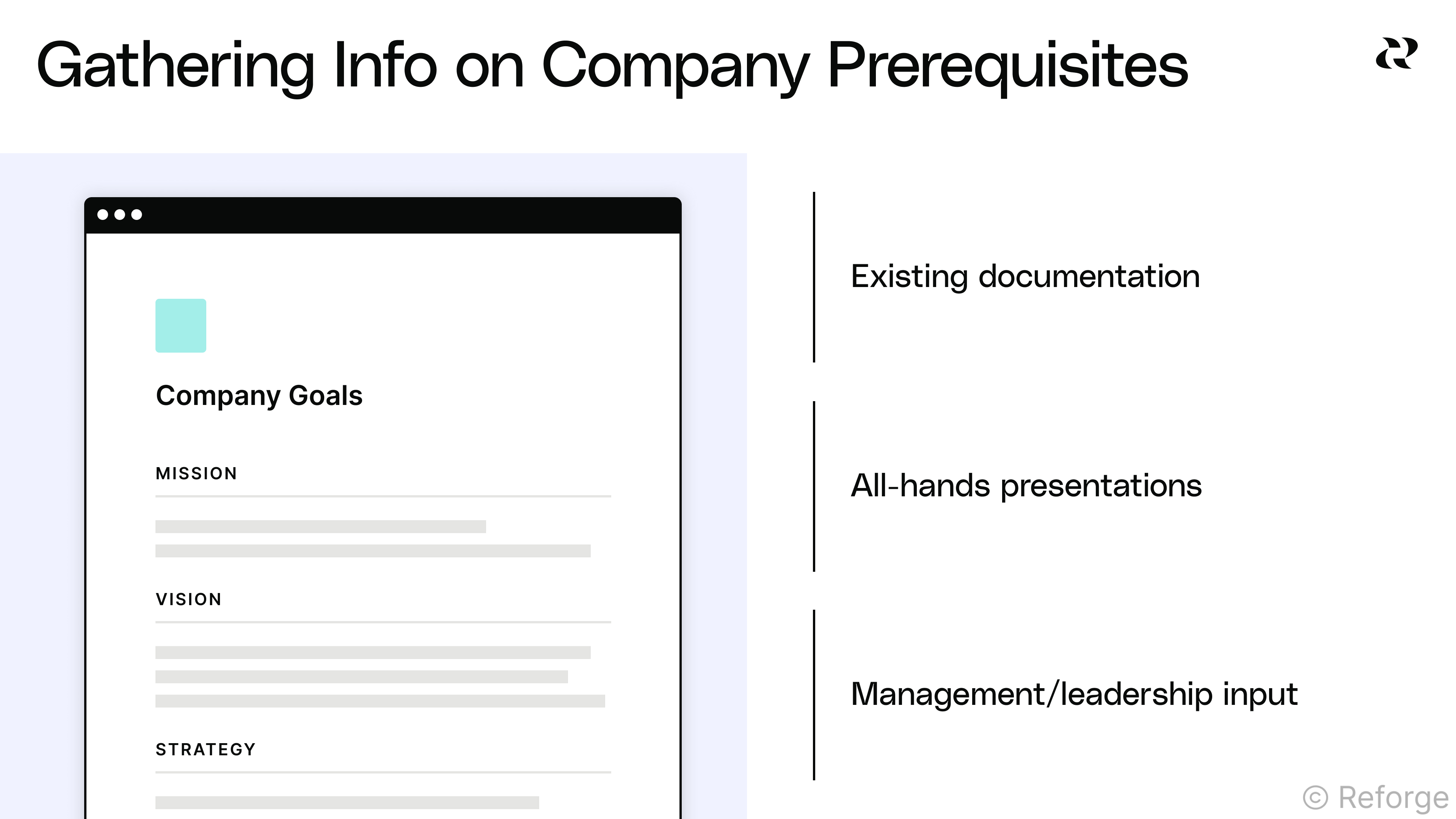
To gather information on your company mission, vision, and strategy, first look for any existing documentation, such as annual or quarterly strategy and planning docs. Review company all-hands presentations for additional context on the company’s strategy. And finally, ask your manager or product leader how they describe each element.
要蒐集有關公司使命、願景和策略的資訊,首先尋找任何現有的文件,例如年度或季度的策略和規劃文件。檢視公司全員大會的簡報,以獲得更多關於公司策略的背景資訊。最後,詢問您的經理或產品負責人他們如何描述每個要素。

As you gather these details, your goal is to understand the complete picture of what’s ahead for the company so that you know what role your team has to play in building that future. You’ll also want to understand what is out-of-bounds so that you have clear filtering criteria to say “no” to features that don’t support the company strategy.
在蒐集這些細節時,你的目標是了解公司未來的全貌,以便知道你的團隊在構建這個未來中扮演的角色。你也需要了解哪些是超出範圍的,這樣你才能有明確的篩選標準,對不支持公司策略的功能說“不”。
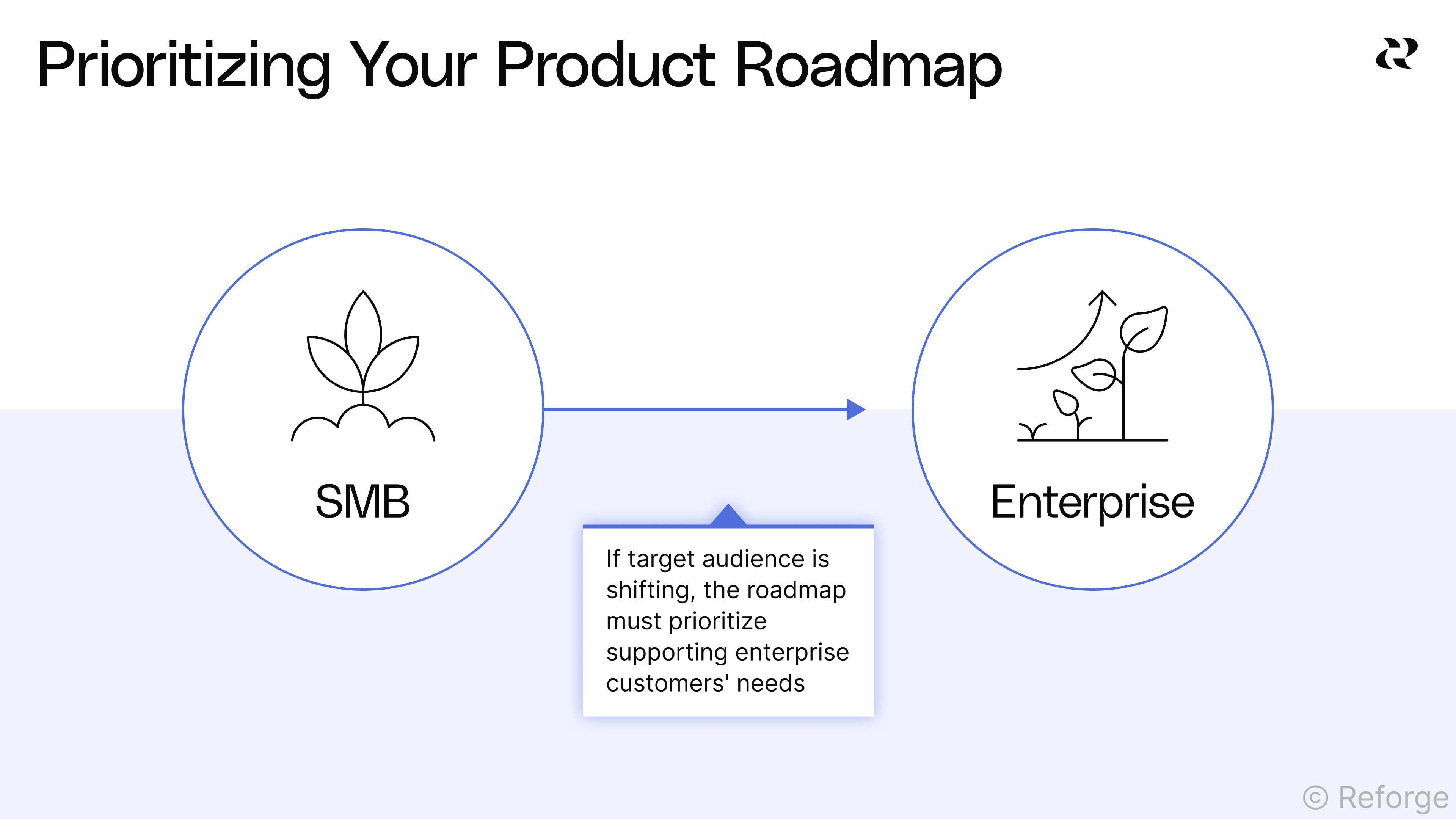
For example, let’s say you operate in a B2B SaaS [SASS] company or product team, and the target audience is shifting from SMB to enterprise. In this scenario, you know that your product roadmap will need to prioritize supporting larger enterprise customers’ needs.
例如,假設您在一家 B2B SaaS 公司或產品團隊中工作,而目標受眾正從中小企業轉向大型企業。在這種情況下,您知道您的產品路線圖需要優先考慮支持大型企業客戶的需求。
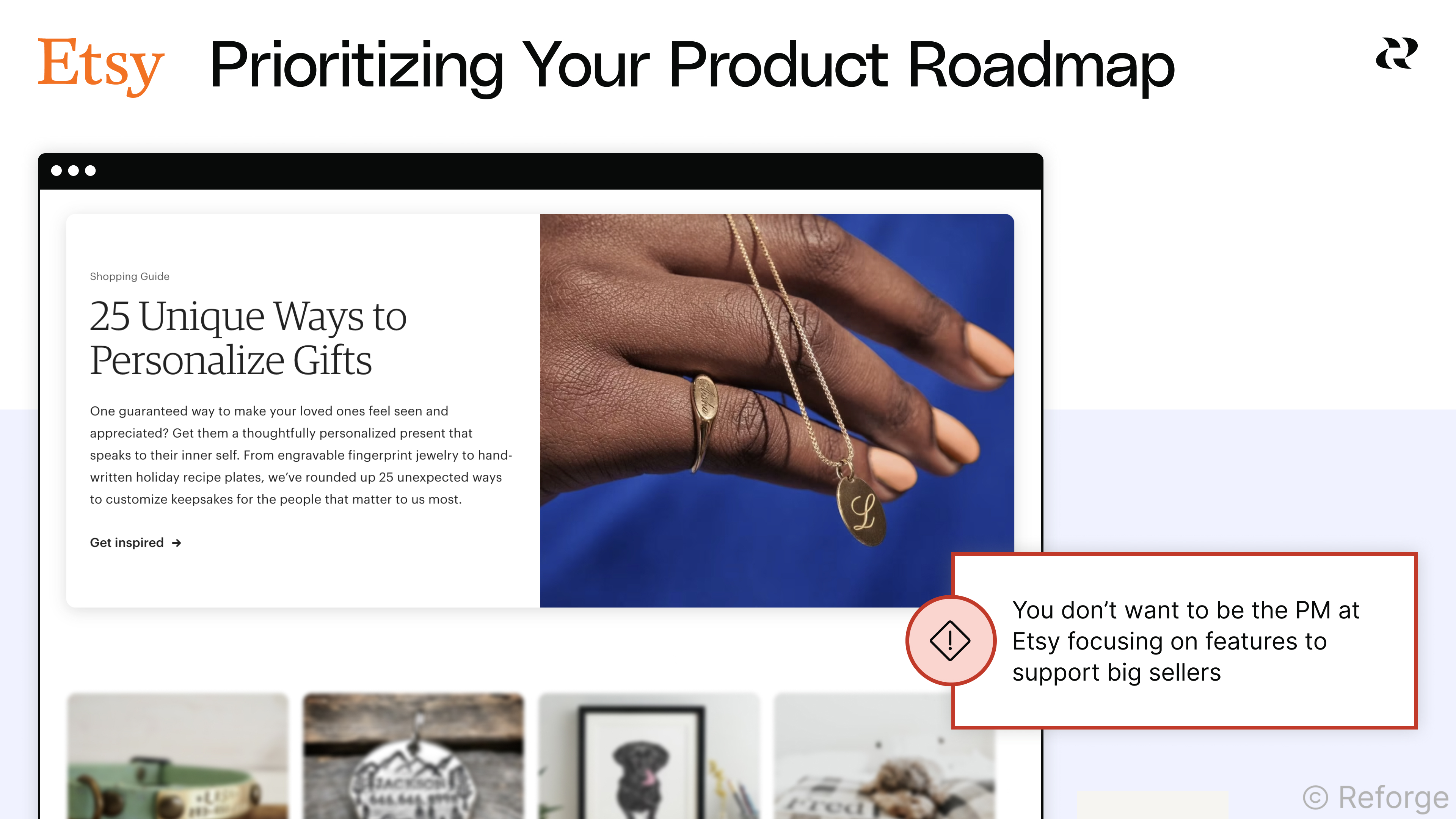
Alternatively, suppose you work at a company like Etsy, whose strategy and differentiation rely on helping people discover unique, one-of-a-kind gifts. In that case, you don’t want to be the PM focusing on features that support big-name, ultra-high-volume sellers on the platform.
假如你在像 Etsy 這樣的公司工作,其策略和差異化依賴於幫助人們發現獨特的、獨一無二的禮物。在這種情況下,你不會想成為專注於支持平台上知名、大量銷售商的產品經理。
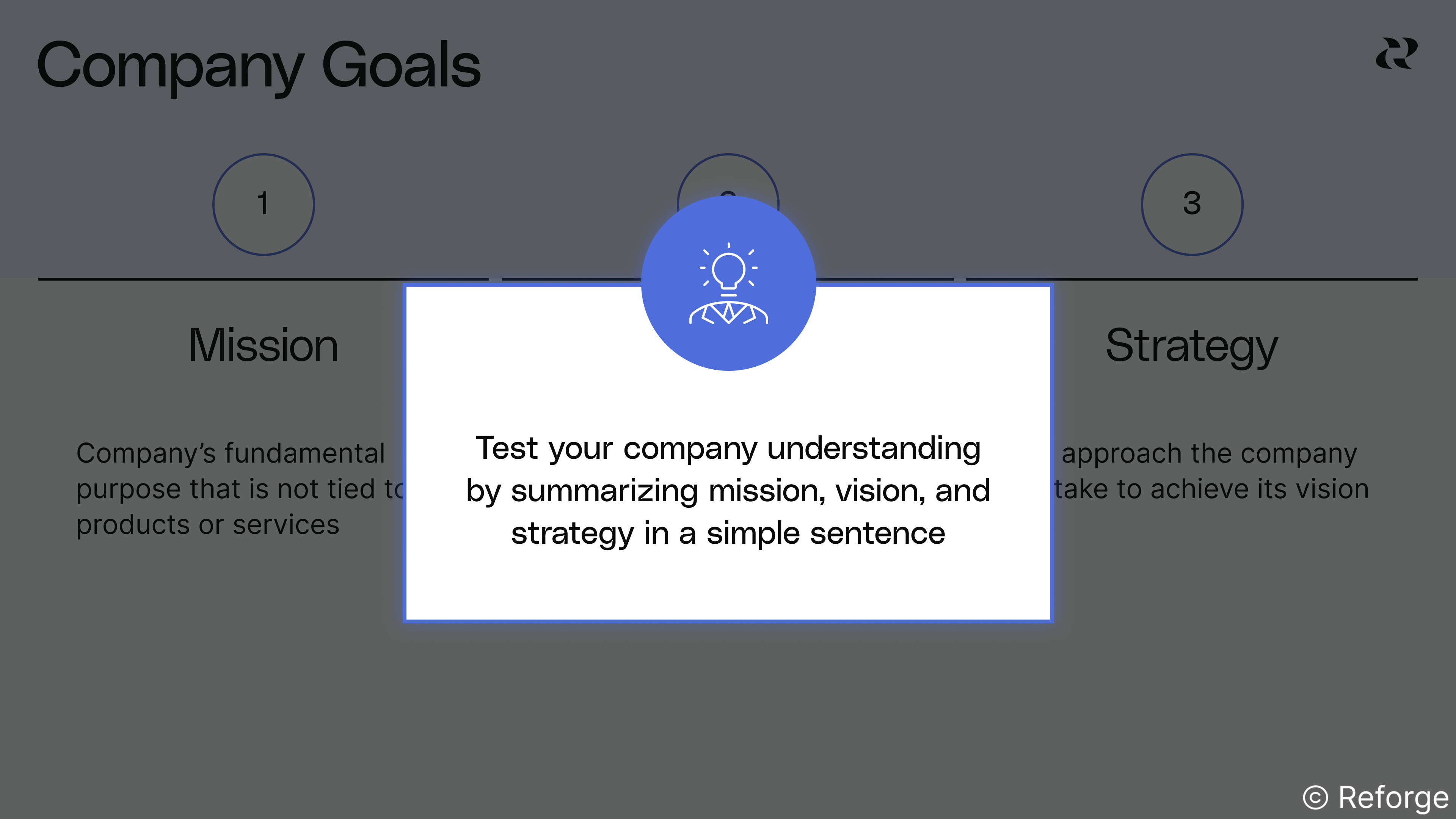
You can test your company understanding by summarizing the mission in a sentence or two that a parent or friend not working in your industry would understand. Then do the same for vision and strategy.
你可以透過用一兩句話總結公司的使命來測試你對公司的理解,這些話應該是讓不在你行業工作的父母或朋友也能明白的。然後,對願景和策略也做同樣的總結。
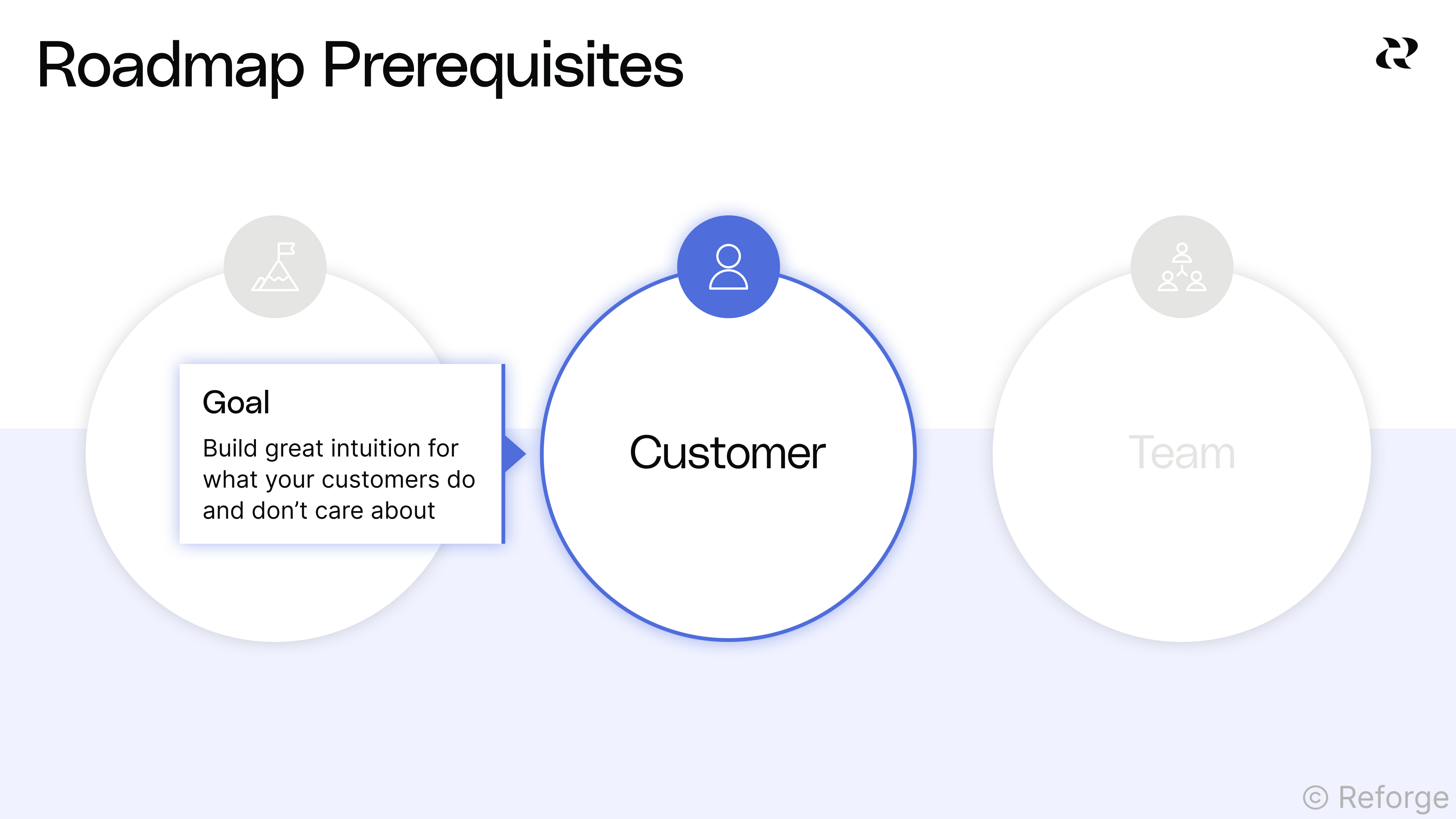
Next, we’ll look at the customer prerequisites. The goal of customer prereqs is to build great intuition for what your customers care about—and don’t care about—to ensure that you're building features that solve meaningful problems from their perspective.
接下來,我們將探討客戶的先決條件。客戶先決條件的目標是培養對客戶關心與不關心事物的良好直覺,以確保您正在開發的功能能夠從他們的角度解決有意義的問題。
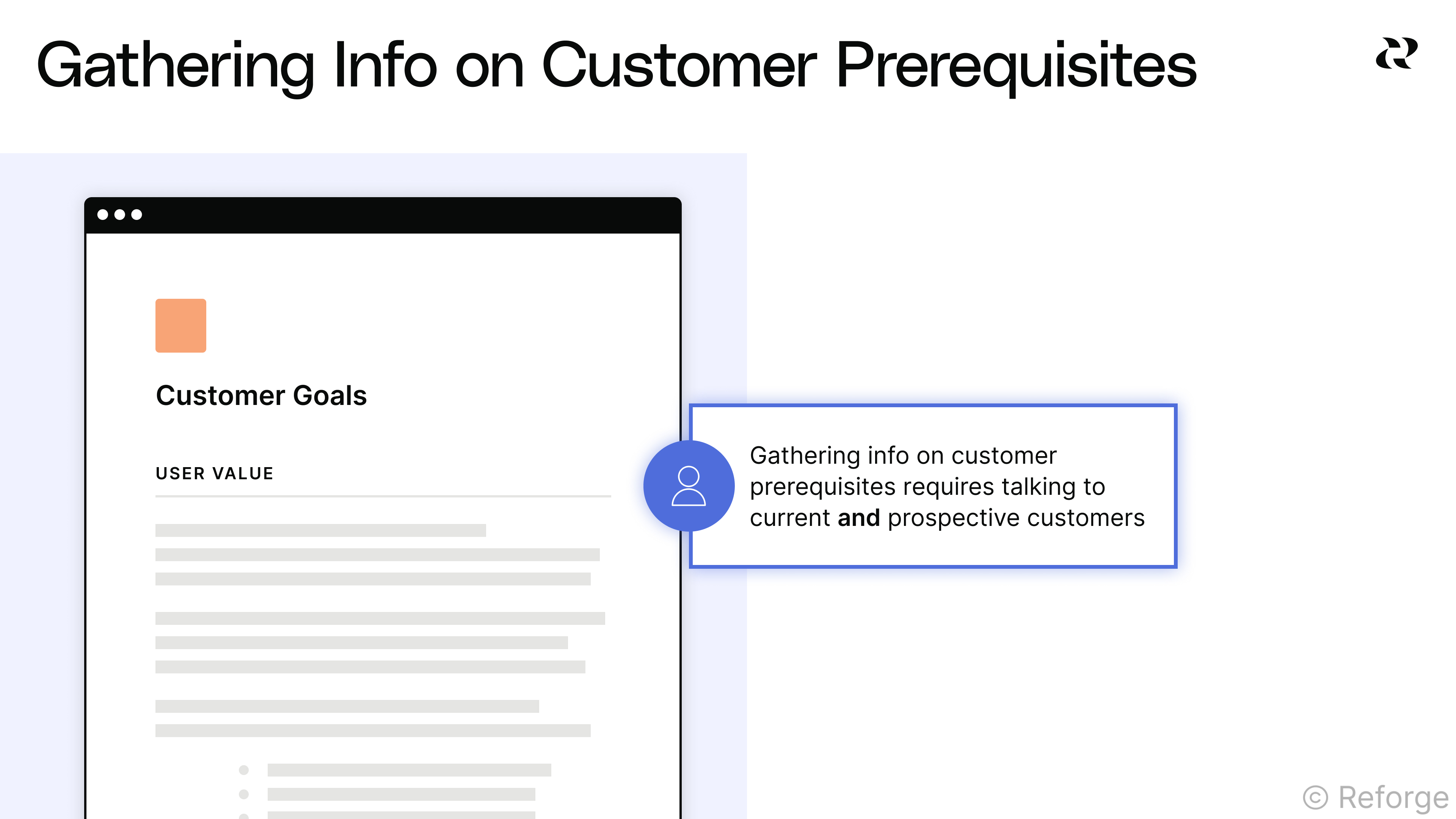
Building this intuition requires talking to current and prospective customers. It's easy to fall into the pitfall of talking to just your current users because they are the easiest to identify and contact, but this can lead you to over focus on segments that already love your product. You also want to talk to people who don't use your product today, but you want them to.
建立這種直覺需要與現有和潛在的客戶交談。只與現有用戶交談是很容易陷入的陷阱,因為他們是最容易識別和聯繫的,但這可能會讓你過度關注已經喜愛你產品的群體。你也應該與那些目前不使用你產品,但你希望他們使用的人交談。
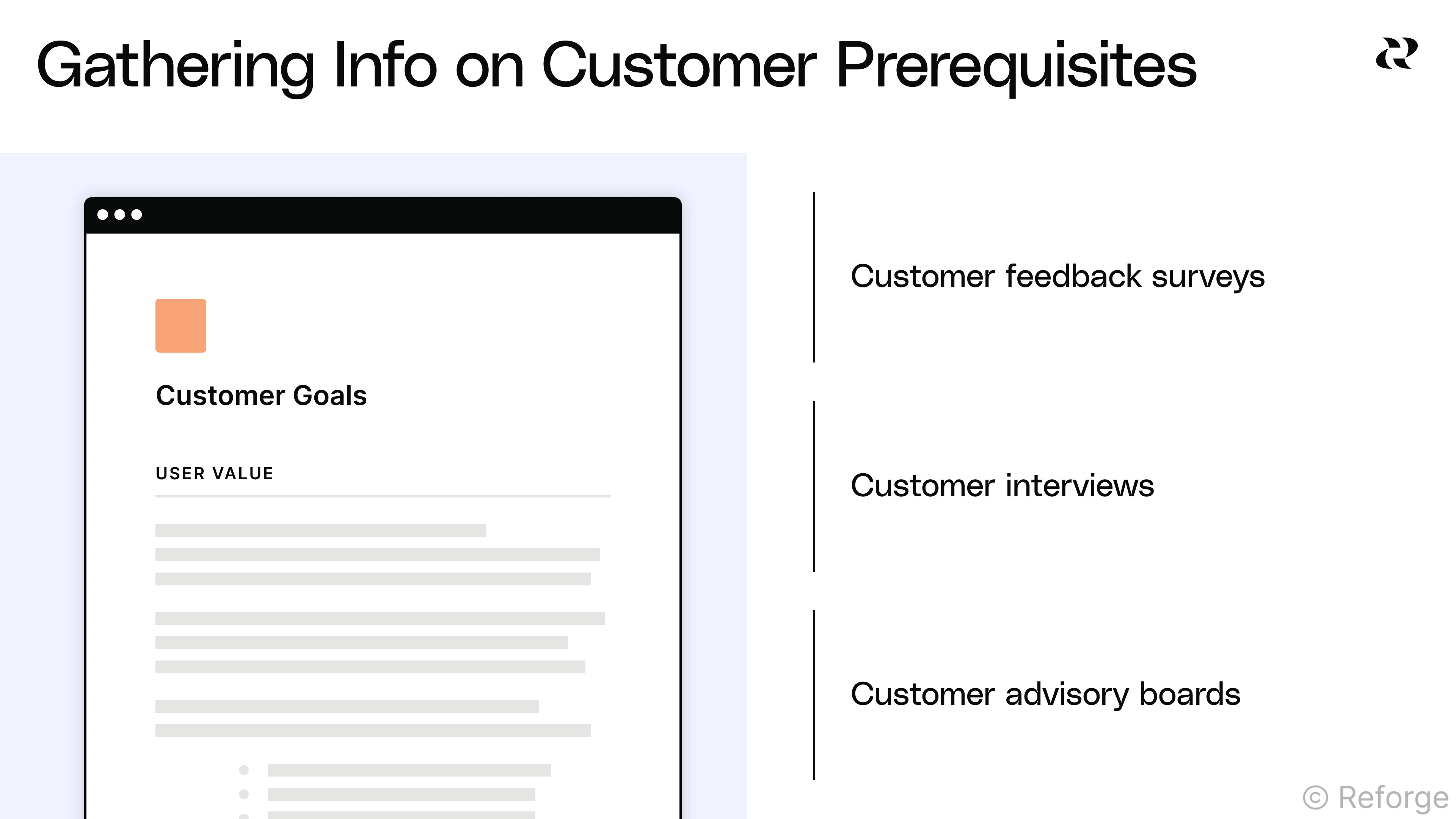
How you go about doing this will depend on the size and domain of your organization, but here are a few examples. You might try customer feedback surveys, customer interviews, or customer advisory boards. Boards are most common in enterprise B2B companies, where clients provide ongoing feedback.
如何進行這項工作將取決於您組織的規模和領域,但以下是一些例子。您可以嘗試客戶反饋調查、客戶訪談或客戶諮詢委員會。委員會在企業 B2B 公司中最為常見,客戶會提供持續的反饋。
If your company already has an ongoing system for gathering customer input, you likely won’t need to do this work from scratch and can leverage existing user research. As a starting point, ask your manager, peers on your team, or marketing counterparts what work has been done on the target customer.
如果您的公司已經有一個持續收集客戶意見的系統,您可能不需要從頭開始這項工作,並可以利用現有的用戶研究。作為起點,請詢問您的經理、團隊中的同事或行銷部門的同事,了解針對目標客戶已經完成了哪些工作。
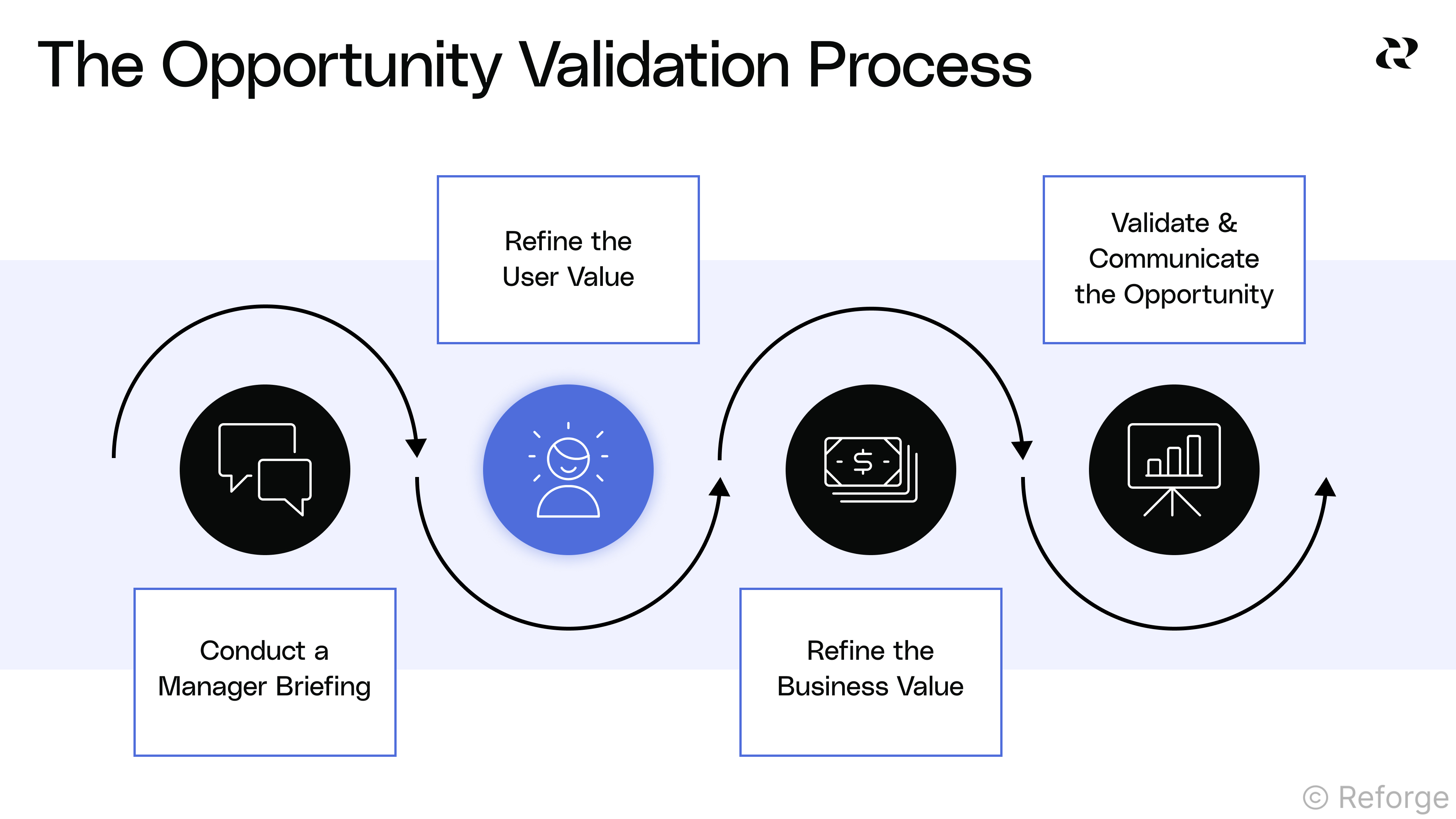
If you work at a company with no ongoing user research process, you can use the process outlined in the “Refine User Value” section of Product Management Foundations to understand better the largest related pain points for your customers—both existing and potential.
如果你在一間沒有持續進行用戶研究流程的公司工作,你可以使用《產品管理基礎》中「精煉用戶價值」章節所概述的流程,更好地了解現有和潛在客戶的最大相關痛點。
When you review this information, focus on the most painful and relevant problems. These problems and pain points should guide much of your feature prioritization work.
當你審視這些資訊時,請專注於最痛苦且相關的問題。這些問題和痛點應該引導你大部分的功能優先排序工作。
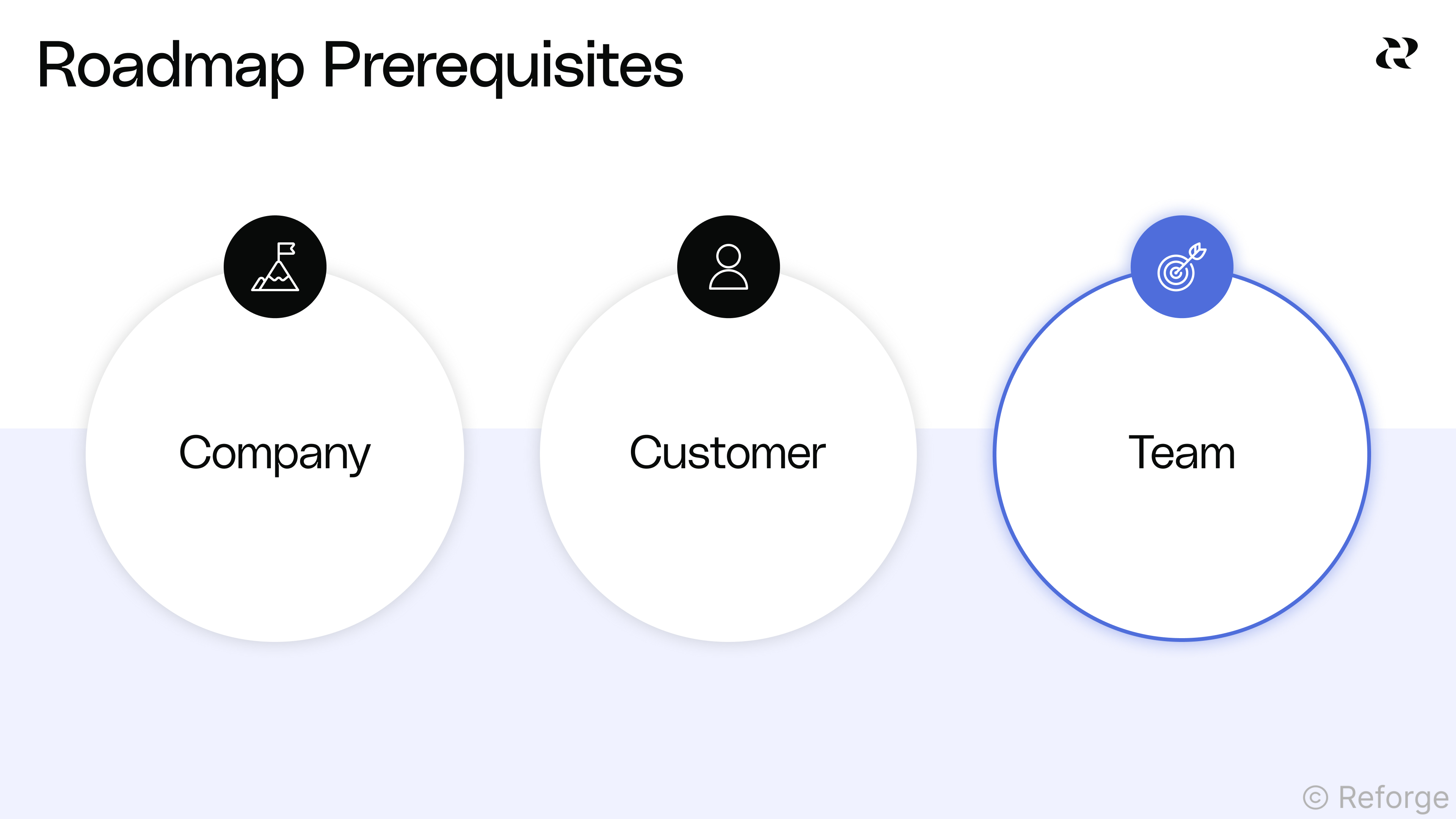
Finally, we’ll look at your team, including the team’s goals and strategy to reach the target customer. You’ll want to understand three elements.
最後,我們將審視您的團隊,包括團隊的目標以及達成目標客戶的策略。您需要了解三個要素。
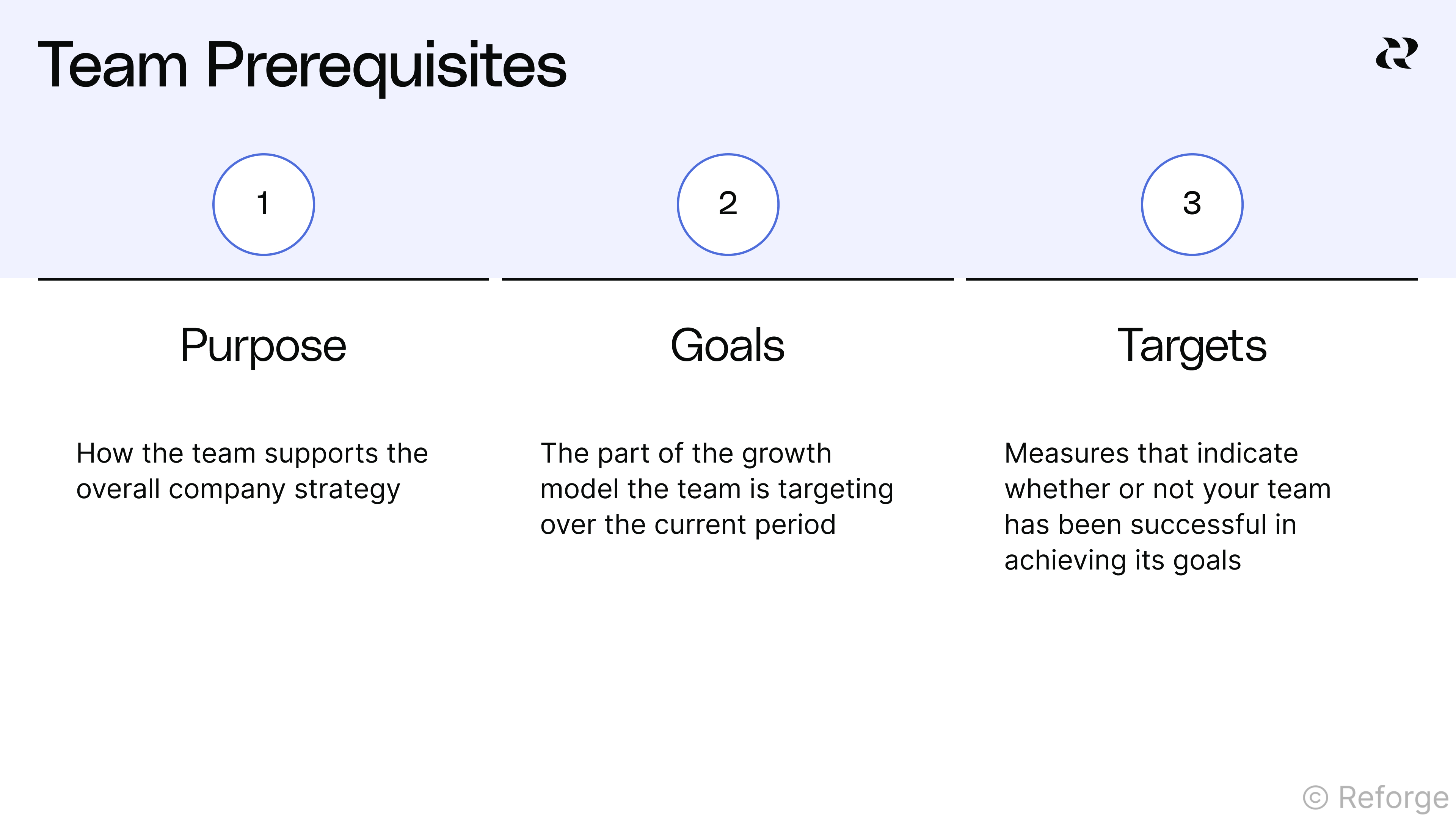
First, the team's purpose, or how the team supports the overall company strategy. Second, the team’s qualitative goals. These goals might include the part of the growth model the team is targeting over the current period, such as retention, engagement, acquisition, or monetization. And third, the team’s quantitative targets. These are the measures that indicate if your team has been successful in achieving its goals.
首先,團隊的目的,即團隊如何支持整體公司的策略。其次,團隊的質性目標。這些目標可能包括團隊在當前時期內所針對的成長模型部分,例如留存、互動、獲取或貨幣化。第三,團隊的量化目標。這些是用來指示團隊是否成功達成其目標的衡量標準。
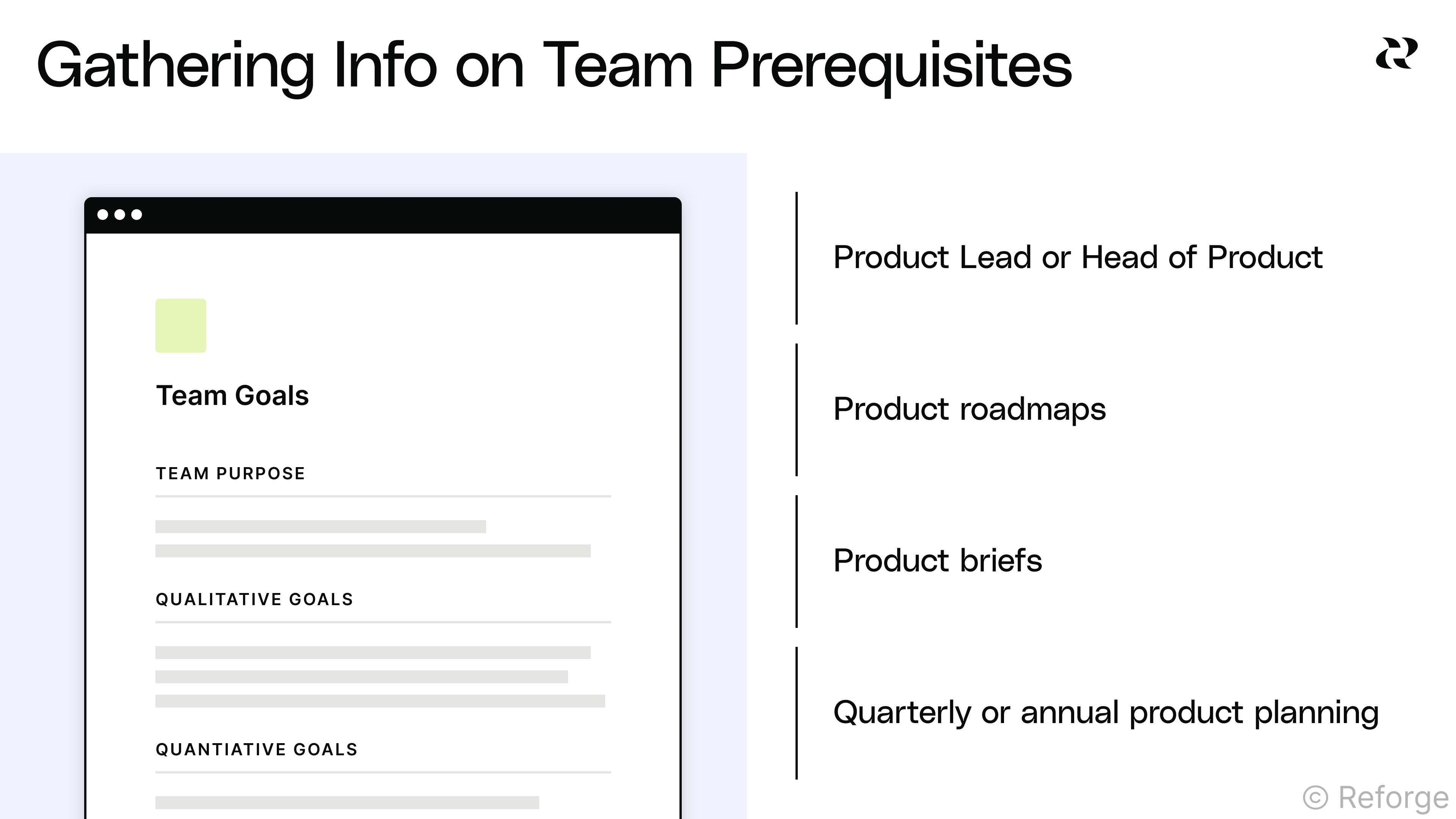
If you don’t already have this information, ask your product lead or head of product. You can also look for documentation like product roadmaps, product briefs, and quarterly or annual product planning docs or presentations.
如果你還沒有這些資訊,可以詢問你的產品負責人或產品主管。你也可以尋找像是產品路線圖、產品簡報,以及季度或年度產品規劃文件或簡報等資料。
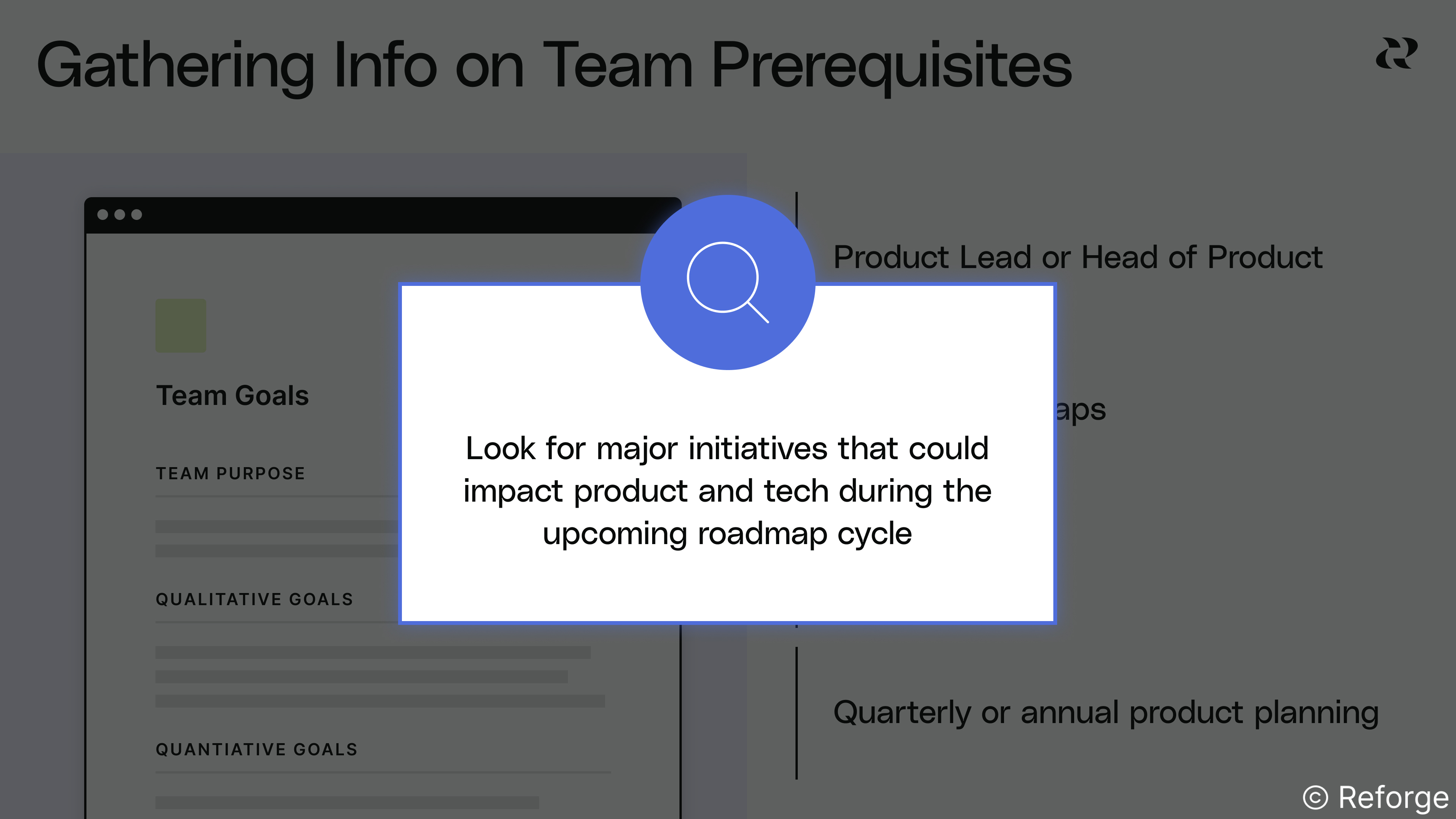
When you review the team goals and strategy, look for major initiatives that could impact product and tech during the upcoming roadmap cycle.
在檢視團隊目標和策略時,尋找可能在即將到來的路線圖週期中影響產品和技術的重大舉措。
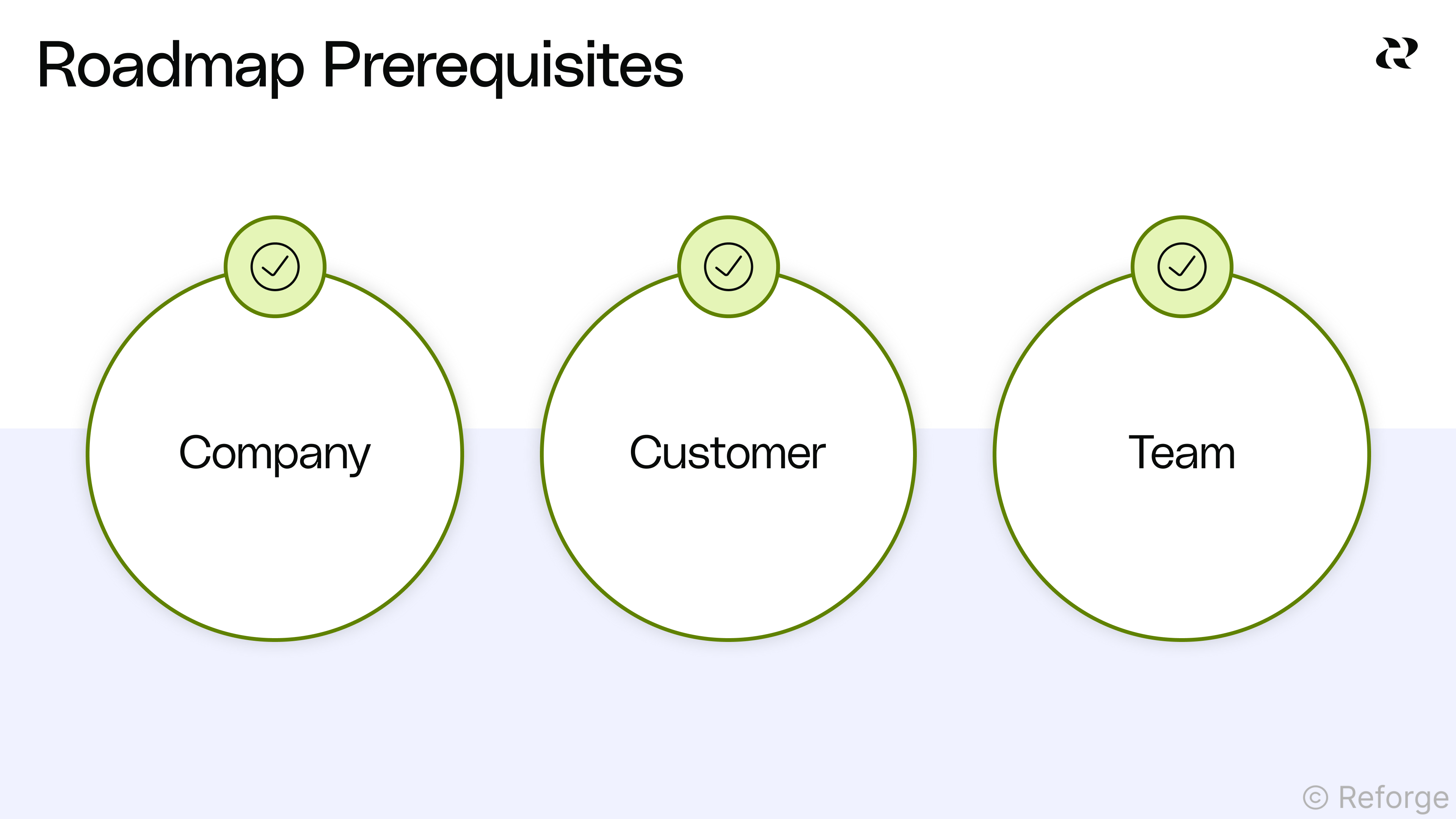
Once you’ve internalized this prerequisite information, you’ll have more conviction in filtering and selecting the feature ideas you want to prioritize based on alignment with the company, customer, and team goals.
一旦你內化了這些前提資訊,你將更有信心根據與公司、客戶和團隊目標的一致性來篩選和選擇你想優先考慮的功能構想。
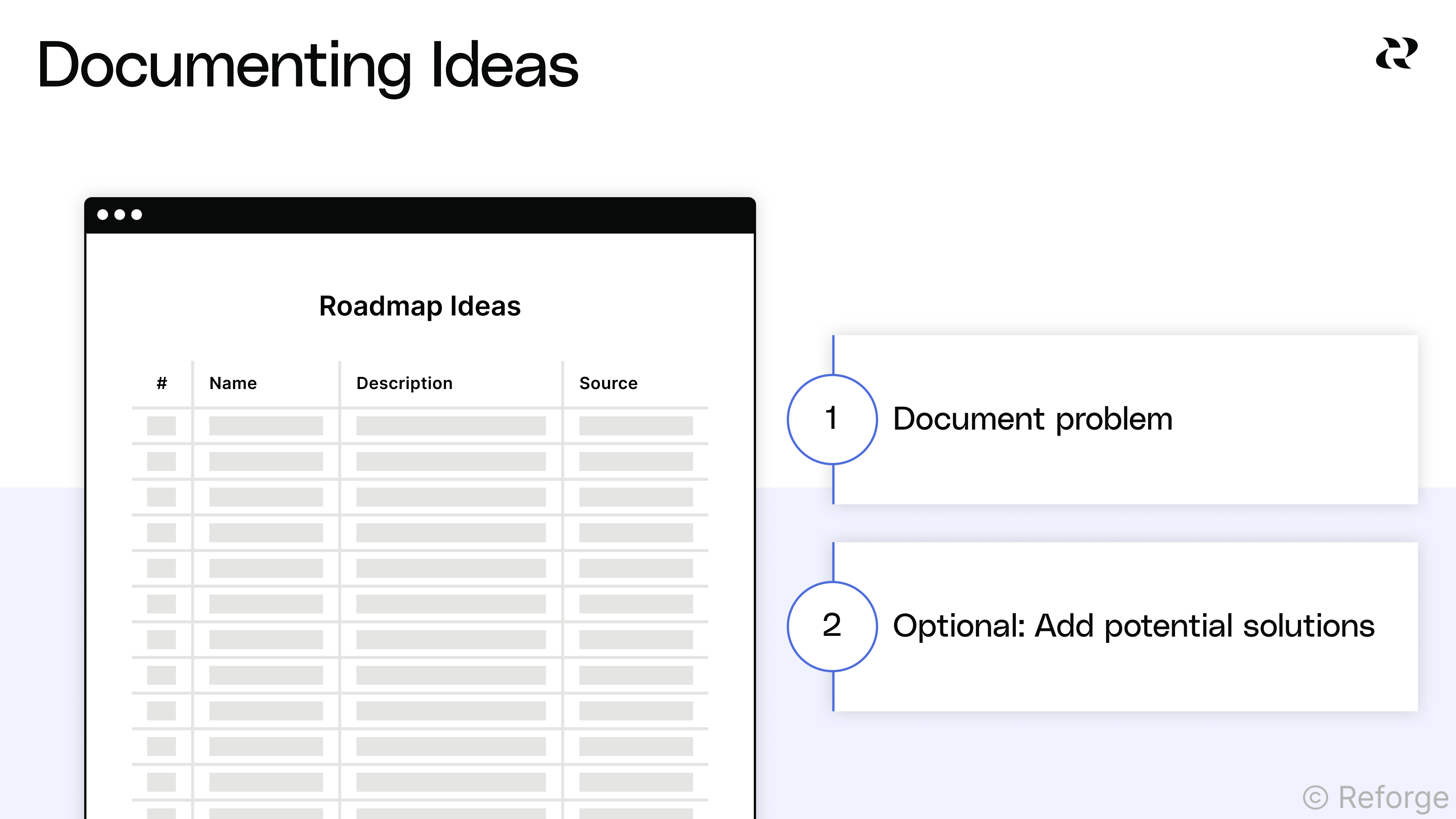
In the next lesson, we’ll look at how to build your list of feature ideas for consideration when you build your roadmap.
在下一堂課中,我們將探討如何建立功能構想清單,以便在制定產品路線圖時加以考量。
- There are three prerequisite categories you’ll need to understand before building a roadmap: your company, your customer, and your team.
在制定路線圖之前,您需要了解三個先決條件類別:您的公司、您的客戶和您的團隊。 - Ensure you deeply understand the company’s mission, vision, and strategy by summarizing it in a sentence or two that someone outside your industry would understand.
- Build intuition for what your customers care about and don’t care about by speaking directly to both current and prospective customers and/or leveraging existing customer data.
- Understanding your team’s purpose, qualitative goals, and quantitative targets will ensure you prioritize the best initiatives for your team.
You've completed this lesson. How useful was it?
Great work! You've completed this lesson. How useful was it for you?